
Stafford Family Services Stafford Springs
Stafford Family Services Stafford Springs is an outpatient addiction treatment center in Connecticut. It is one of 156 SAMHSA-listed facilities in the state, offering co-occurring disorders. Care here is built around counseling, not overnight stays.
- Outpatient
- Co-Occurring Mental Health
- 30 days
Stafford Family Services is an outpatient clinic on Hyde Park Road, so people go to scheduled sessions and then head home. Its work covers substance use and mental health concerns alike, handled together instead of on separate tracks. Someone who arrives with a drinking problem and untreated anxiety would have both addressed in a single care plan.
The clinical approach leans on counseling, with medication-assisted treatment available alongside it for people who benefit from that combination. Staff build an individual plan rather than running everyone through one fixed curriculum. Families are often part of the picture as well, which fits a program that serves adolescents and children as well as adults.
Since this is an outpatient site, it fits people with a stable place to live who can reach appointments reliably. Anyone needing round-the-clock monitoring or medically supervised withdrawal would need a different level of care first. The helpline can explain how that handoff typically works.
Stafford Family Services Stafford
When you choose outpatient rehab in Connecticut at this clinic, the services include one-on-one counseling, group work, motivational interviewing trauma specific therapy and cognitive behavioral therapy. Sessions for couples and families are also offered, which counts when the household itself is part of what needs to change. For people with opioid or alcohol use disorders, medication-assisted treatment appears among the listed approaches.
Co-occurring mental health treatment runs alongside the addiction work rather than after it. That combination is what people usually mean by dual diagnosis care, and it is worth confirming directly with the center how the two are scheduled together. For anyone comparing programs, dual diagnosis treatment in Connecticut often separates an outpatient clinic from a counseling-only office.
- Family Therapy
- Medication-Assisted Treatment
- Group Therapy
- Trauma-Specific Therapy
- Cognitive Behavioral Therapy
- 1-on-1 Counseling
- Motivational Interviewing
- Couples Counseling
Who fits this center in Stafford Springs
- Adolescents and children, which is uncommon among Connecticut rehab centers
- Men and women who are adults, among them older adults and young adults
- People with a drug use disorder who can attend scheduled appointments
- Individuals with co-occurring disorders needing both issues treated
- People working on chronic relapse patterns who want continuing support
- Clients dealing with anger or gambling concerns alongside substance use
How the venue and schedule work
Sessions take place at 21 Hyde Park Road in Stafford Springs, in northeastern Connecticut near the Massachusetts line, and services are delivered in English. The typical program length is listed at 30 days, though outpatient schedules vary by person. Continuing care and ongoing outpatient treatment are listed as aftercare options, so the relationship with the clinic can extend past the first month. If you are traveling from a distance, then ask how often appointments are scheduled before committing, since outpatient rehab in Connecticut means repeat visits rather than a single stay.
Costs of care at this center
Self pay rates appear as a payment choice, and the center's materials do not say which insurance plans it bills. Resolve that question by phone before the first appointment, since coverage varies by plan and the particular service. Then, when you call, ask directly whether Medicaid is accepted for outpatient services, because Medicaid is a common payer for addiction treatment in this state. Confirm everything with the center and your insurer directly. Nothing on this page is a promise of coverage or admission.
Questions to ask before you sign up
- Does this location take my insurance, and is Medicaid accepted for outpatient services?
- How often each week would I attend, and is 30 days realistic for my situation?
- Who provides medication-assisted treatment here, and what does the intake process involve?
- How are mental health and substance use sessions coordinated for someone with both?
- After the first month, what does continuing care involve, and how often do those visits happen?


Nearby centers to consider
-
Cornell Scott Hill Health Center Child
New Haven, CT · 5 days
Cornell Scott Hill Health Center Child New Haven is an outpatient clinic on Dixwell Avenue.
- Outpatient
-
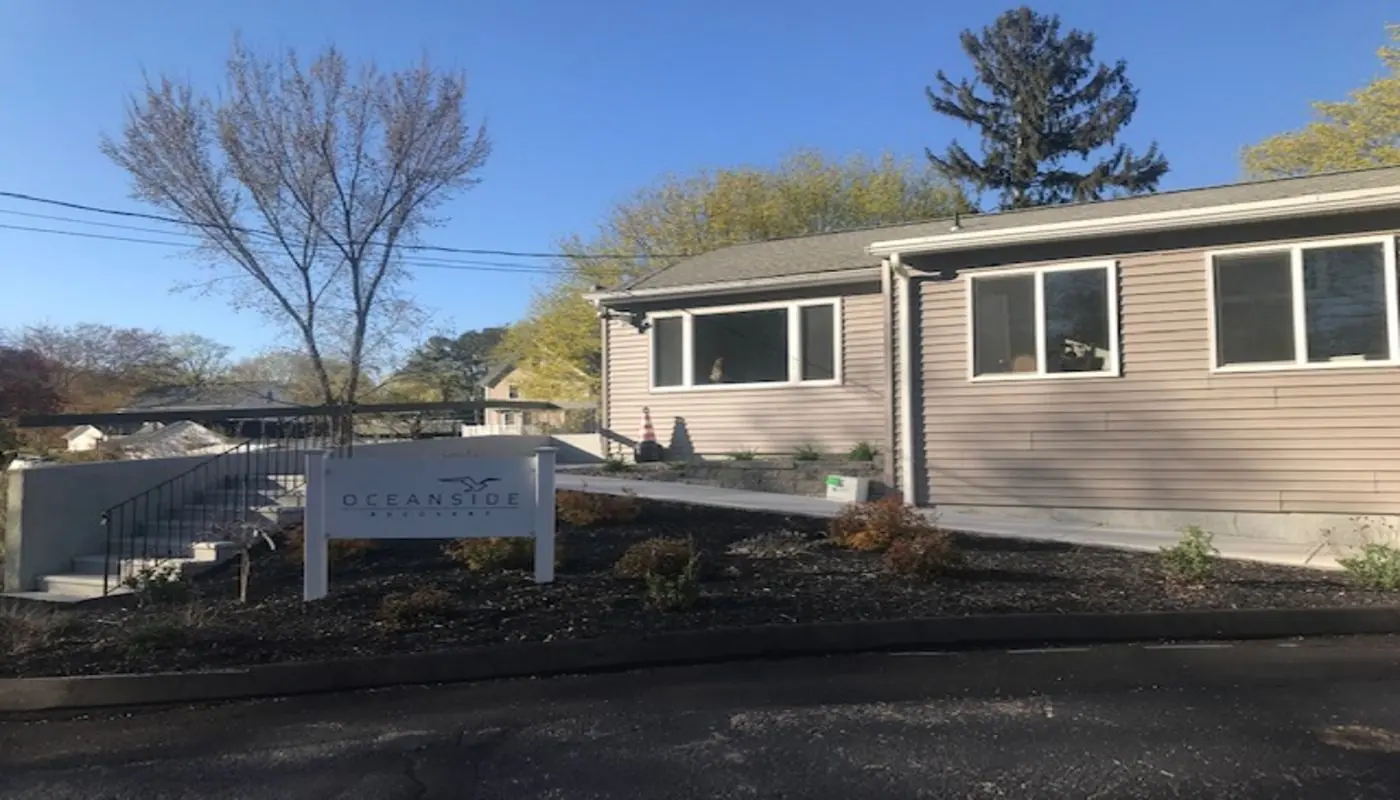
Oceanside Recovery
2.2/522 Google reviews
Niantic, CT · 5 days
Oceanside Recovery Niantic is an outpatient center for addiction treatment in Niantic, Connecticut.
- Outpatient
-
Veterans Affairs Connecticut
3.9/596 Google reviews
Newington, CT · 5 days
For veterans in Connecticut, Veterans Affairs Connecticut Healthcare Newington offers outpatient care for addiction and mental health.
- Joint Commission
- Outpatient
-
Community Health Resources Manchester
3.6/5146 Google reviews
Manchester, CT · 30 days
Located on Center Street, Community Health Resources Manchester holds Joint Commission accreditation.
- Joint Commission
- Outpatient
- Residential Rehab
-

Liberation Programs Greenwich Youth
3.7/56 Google reviews
Greenwich, CT · 30 days
Liberation Programs Greenwich Youth & Family Resources is an outpatient center in Greenwich, Connecticut.
- Outpatient
- Co-Occurring Mental Health
-
Apex Community Care
4.3/516 Google reviews
Danbury, CT · 30 days
Apex Community Care Danbury is a private, nonprofit facility located in Danbury, Connecticut.
- Outpatient
- Co-Occurring Mental Health

Help
Is Stafford Family Services Stafford Springs a rehab center or an outpatient clinic?
This is an outpatient clinic, not a residential facility. The center lists two care options, co-occurring mental health services as well as outpatient care, so people attend scheduled sessions and live at home. It is one of 156 SAMHSA-listed facilities in Connecticut. If you need overnight medical monitoring or withdrawal management, ask the helpline about a higher level of care first, then step down to outpatient work like this.
Does this center treat dual diagnosis conditions?
Yes. Care for co-occurring disorders is one of the options the listings show, and the center's own description says substance use and the mental health issues connected to it are handled together in a single plan. Co-occurring disorders and chronic relapse are both named among the conditions it addresses. If you are comparing outpatient with residential care for a dual diagnosis, the practical question tends to be how steady things are at home and in your day-to-day schedule, so raise that when you call the center.
What therapies are available at this Stafford Springs location?
Listed approaches include cognitive behavioral therapy individual counseling, group therapy, family therapy, couples counseling, motivational interviewing, trauma-specific therapy, and medication-assisted treatment. Services are available in English. Because the mix is broad, ask at intake which of these you would actually get and how often, since the schedule varies from person to person and 30 days is a starting estimate.
How much does rehab cost in CT, and does the helpline cost anything?
Costs depend on the specific services and on insurance coverage, so the center must confirm rates by phone. The helpline on this site is separate from the clinic: licensed treatment providers are linked to callers by trained advisors, costs nothing to use, keeps what you say private, and does not commit you to anything. Use it to check availability and coverage before you call the center yourself.
Before starting outpatient care, what should I ask about withdrawal?
Ask whether a clinician will oversee stopping alcohol or benzodiazepines, because withdrawal from those substances can become dangerous quickly. The center's listed services focus on outpatient counseling and medication-assisted treatment, so it may refer you to a higher level of care for medically supervised withdrawal. Call the helpline to understand how that referral usually works before you begin.