Detox Connecticut
Medical detox is supervised care for withdrawal from alcohol, opioids, or benzodiazepines. Connecticut has 21 SAMHSA-listed detox facilities, and 16 accept Medicaid. This guide explains how a day works, who fits, costs, and timing.
- services in Connecticut
- 21
- that take Medicaid
- 16
- accept private insurance
- 21
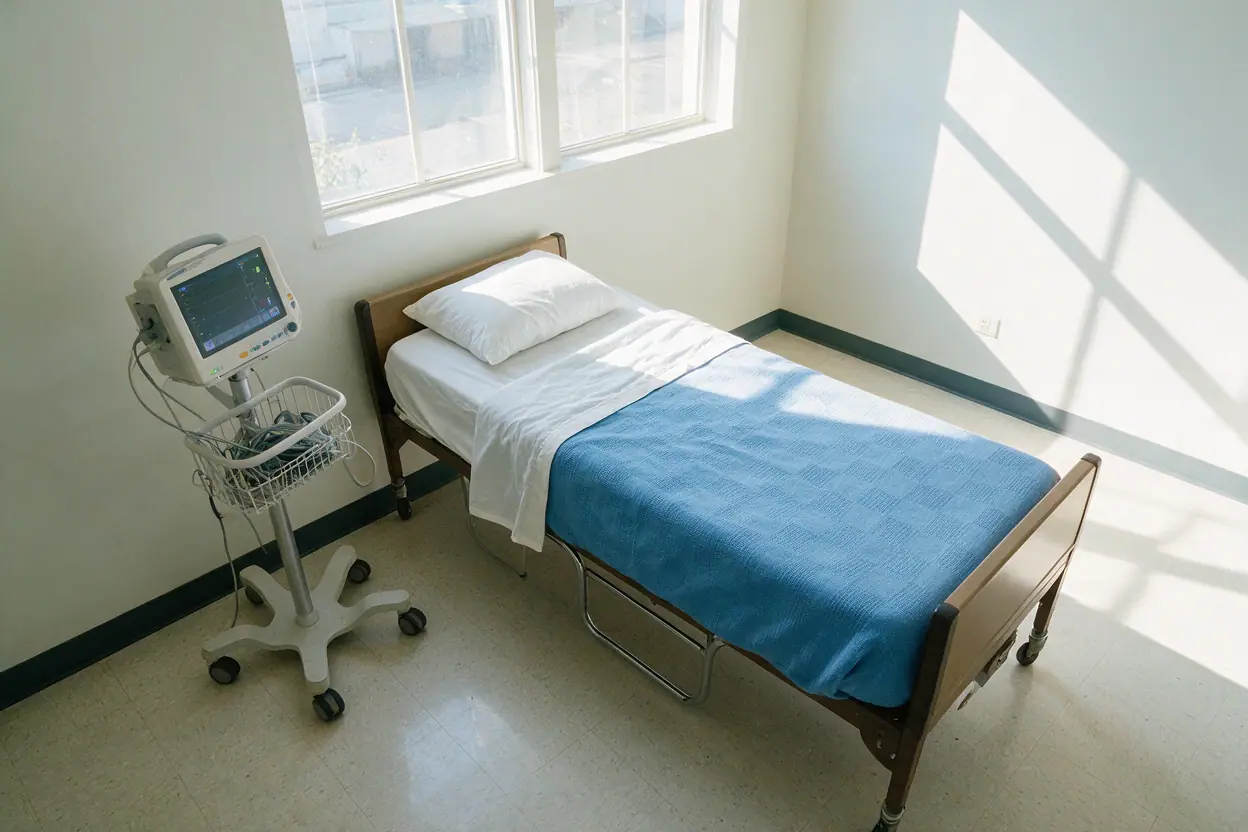
Medical detox Connecticut is the level of care where withdrawal is managed with 24-hour monitoring and, when appropriate, medication. In Connecticut it is one service on a larger continuum that includes inpatient and residential rehab (30 programs), partial hospitalization (29), intensive outpatient (76), and standard outpatient (133). A detox stay is about getting someone safely through the acute phase; it is not the whole of treatment, and staff usually plan the next level of care before discharge. Medical detox Connecticut programs provide 24-hour monitoring and medication when clinicians order it for people whose withdrawal needs supervision.
A typical day on a detox unit starts with a check of vital signs, withdrawal symptoms, and how the person slept and ate. Staff may draw labs, adjust medication if one is prescribed, and offer meals, fluids, and rest. Counseling and groups are usually brief and practical at this stage. Later in the stay, a nurse or case manager reviews the next step: residential rehab, intensive outpatient, medication for opioid use disorder, or a return home with follow-up appointments. Connecticut detox centers often coordinate discharge planning with nearby rehab programs and outpatient services so the transition does not fall to the patient alone.
Paying for detox in Connecticut
What you owe depends on the facility, the length of your stay, and your coverage, and nobody can give an exact number up front. Among the 21 listed detox facilities, all accept private insurance, 16 accept Medicaid, 12 accept Medicare, and 5 provide a sliding fee scale. Without insurance, first ask about Medicaid eligibility, then about sliding fees and payment plans. Federal parity law means most plans covering mental health must cover substance use treatment comparably, but check detox benefits and prior-authorization rules with your plan. Calling the helpline is free, private, and asks nothing of you and can help you compare detox Connecticut options by how you would pay. If your plan needs prior authorization, confirm that step before you arrive so intake is not delayed.
What to expect in detox in Connecticut
Screening and intake
A phone or in-person screening covers substances used, last use, medical history, medications, and insurance. Expect questions about prior withdrawal seizures or complications, because those change the level of care. Bring an ID and insurance card if you have them. If you have had withdrawal seizures, then say so during screening because it may change the recommended level of care.
Arrival and assessment
On arrival, nursing staff check vital signs and withdrawal severity and a clinician reviews mental health history. Consent forms and privacy notices are signed. If a bed is not open, staff may offer a referral to another Connecticut program or a later arrival time. When you arrive, then expect a focused assessment that determines your monitoring plan for the first 24 hours.
Monitoring and support
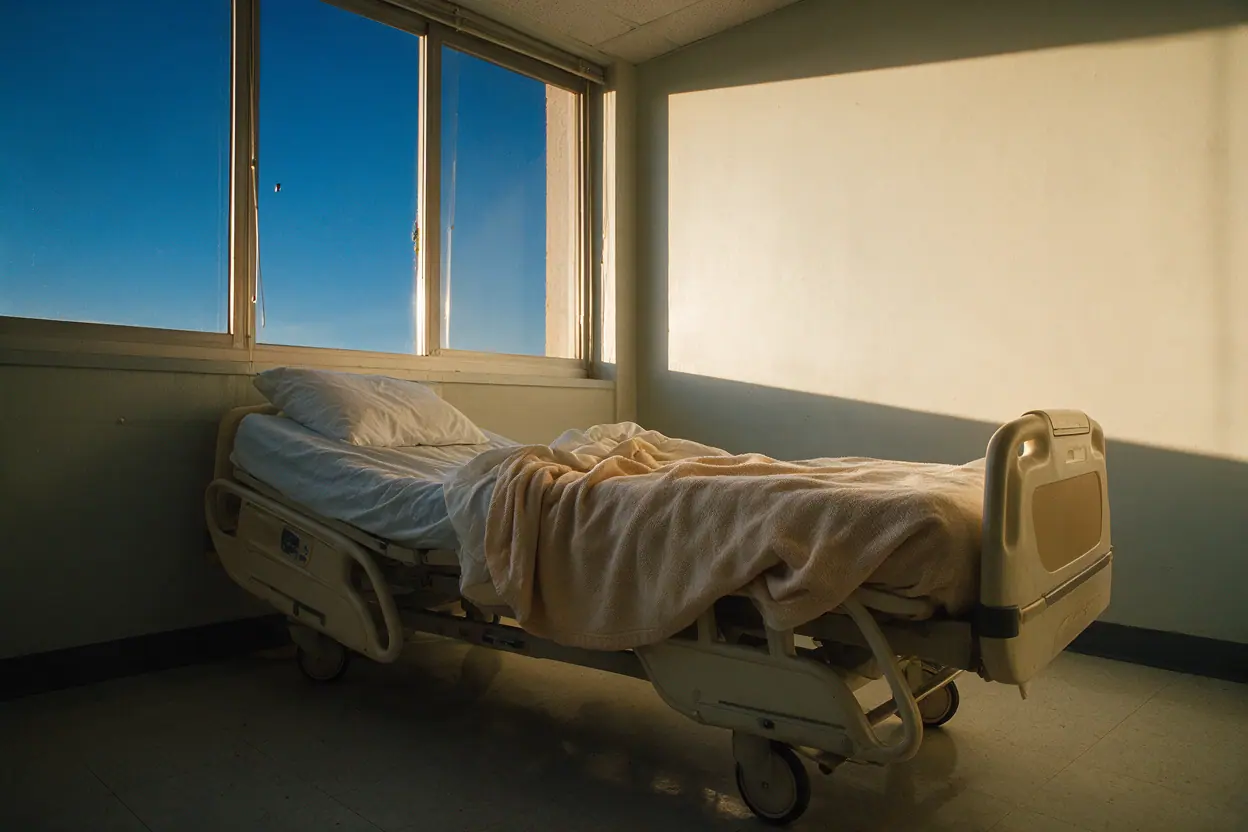
A typical day includes scheduled checks of vital signs, symptom scoring, meals, fluids, and rest. A clinician may prescribe medication for comfort or to stabilize you. Detox from alcohol and benzos can be hazardous thus a medical team should watch it, and any decision about tapering is the prescriber's, not the patient's. Connecticut detox centers check vital signs and withdrawal symptoms around the clock so changes get caught early.
Discharge planning
Before leaving, staff recommend a next level of care, often residential rehab or intensive outpatient, and provide referrals and appointments. Ask for written instructions, medication plans, and warning signs that mean returning for help. If you leave detox without a follow-up plan, then the risk of returning to substance use is higher, so ask for written referrals before discharge.

Detox facilities around Connecticut
Connecticut lists 156 treatment facilities on SAMHSA FindTreatment.gov, and 21 of them offer medical detox. Payment matters as much as location. All 21 listed detox facilities accept private insurance, 16 accept Medicaid, 12 accept Medicare, and 5 offer a sliding fee scale. Since Connecticut expanded Medicaid, many adults with limited income may qualify for coverage that includes detox. Finding a detox Connecticut program that accepts Medicaid can make care affordable for adults with limited income.
Practical details vary by site. Seven listed detox facilities offer services in Spanish, 12 offer telehealth for some visits, and 15 offer dual diagnosis care. The Ridge Recovery Center in Willimantic and larger rehabilitation hospitals around Hartford, New Haven, and Bridgeport are the kinds of settings where detox beds tend to cluster, but you should confirm current bed availability and intake hours directly with each program. A free call to the helpline can narrow the list by insurance and county. If you need Spanish-language services, then ask whether interpretation is available at intake and during groups before you commit to a program.
- take Medicaid
- 16
- that accept private insurance
- 21
- take Medicare
- 12
- with sliding-scale fees
- 5
| Location | Location | Offers | Takes |
|---|---|---|---|
| Natchaug Hospital Inc | Danielson | Detox, PHP, IOP, Outpatient | Medicaid, Medicare, Insurance |
| Mountainside Treatment Center | Canaan | Detox, Residential, PHP, IOP, Outpatient, OTP | Insurance, Sliding fee |
| SE Council on Alc and Drug Dep Inc | New London | Detox, Residential, OTP | Medicaid, Insurance |
| High Watch Recovery Center | Kent | Detox, Residential, PHP, IOP, Outpatient | Insurance |
| Waterstone Counseling Center | Madison | Detox, Outpatient | Medicaid, Medicare, Insurance |
| InterCommunity Healthcare | Hartford | Detox, Residential, OTP | Medicaid, Insurance |
| Connecticut Valley Hospital | Hartford | Detox, OTP | Medicaid, Medicare, Insurance, Sliding fee |
| New Era Rehabilitation Center Inc | Bridgeport | Detox, PHP, IOP, Outpatient, OTP | Medicaid, Medicare, Insurance |
| Natchaug Hospital Inc | Dayville | Detox, PHP, IOP, Outpatient | Medicaid, Medicare, Insurance |
| Rushford Center Inc | Willimantic | Detox, Residential, OTP | Insurance |

Who medical detox in Connecticut fits
- People whose withdrawal is likely to be medically uncomfortable or unsafe without supervision, including regular heavy alcohol use and benzodiazepine use. If you drink heavily every day or use benzodiazepines, then medical supervision during withdrawal matters because seizures and other complications can occur.
- People with opioid dependence who need a monitored start or adjustment of medication before stepping into ongoing treatment. Connecticut detox facilities that accept Medicaid can start medication for opioid use disorder and connect you to ongoing care.
- People who also have a mental health condition, since 15 of the state's detox facilities offer dual diagnosis care as well. If you take psychiatric medication on a set schedule, bring the list or the bottles so the prescriber can keep or adjust it safely.
- People traveling from another county or state who need a stable, monitored first few days before a longer program begins. When you call ahead, then confirm bed availability and intake hours because listing does not guarantee an open bed.
Help
How many detox facilities are in Connecticut?
Connecticut has 21 SAMHSA-listed facilities offering medical detox as of late 2026. All 21 accept private insurance, 16 accept Medicaid, 12 accept Medicare, and 5 offer sliding fees. Listing does not guarantee an open bed or coverage, so call ahead to confirm intake and insurance.
Does Connecticut Medicaid pay for detox?
Most listed detox programs accept Medicaid: 16 of the 21 take it. Connecticut expanded Medicaid, so more adults may qualify than they realize. Income and household size determine eligibility. Ask the program whether it is in-network and if prior authorization is required before you get there.
How long does detox take?
The length of withdrawal varies with the substance and the person's health history. MedlinePlus notes that alcohol withdrawal symptoms usually begin hours after the last drink and may peak within 24 to 72 hours. Opioid withdrawal is unpleasant but seldom dangerous; benzodiazepine withdrawal can be serious. Clinicians decide when someone is stable enough to leave.
Can I detox at home instead?
Stopping alcohol and benzodiazepines without oversight can be dangerous so a medical team should track it. A clinician determines whether returning home is safe, based on your history, symptoms, and support. Mention any withdrawal seizures or long periods of heavy drinking during screening, since that can change the level of care recommended.
What if I need Spanish-language detox?
Seven of Connecticut's 21 listed detox facilities offer services in Spanish. Ask whether interpretation is available at intake and during groups, and whether written discharge instructions can be provided in Spanish. The helpline can help identify programs with Spanish-speaking staff.
Will detox treat mental health too?
Some do. Fifteen of the 21 listed detox facilities provide dual diagnosis care, which means mental health and drug use are addressed together. If you take psychiatric medication, bring the list or the bottles so the prescriber can keep it going or adjust it safely.