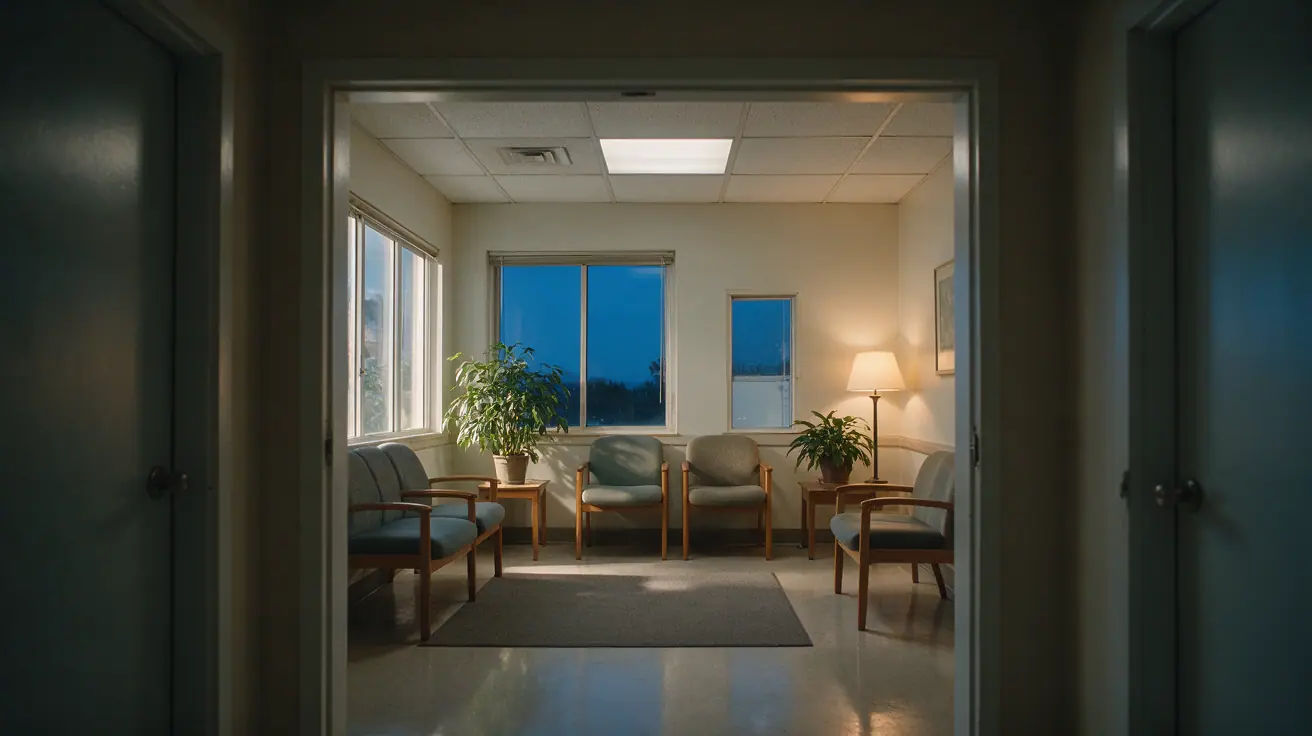
Rehab in Connecticut guide
Finding rehab in Connecticut starts with knowing the levels of care. The state has 156 SAMHSA-listed facilities, from detox to outpatient. This page explains each step before you call.
Overdose data and what it means
For the 12 months ending May 2026, Connecticut recorded 787 overdose deaths, a 14 percent decrease from the prior period. Opioids were involved in 625 of those deaths, fentanyl in 524. The drop in overdose deaths in Connecticut does not mean the risk has passed for families.
Cocaine was involved in 405 deaths, and prescription opioids in 116. Heroin deaths fell to 23. If you know someone using drugs alone, then a local program can help you plan a safer conversation.
These figures come from the CDC and show that treatment needs remain high. Connecticut rehab centers listed by SAMHSA are a starting point for care, not a guarantee of outcome.
| Drug | Past 12 months | Prior year | Difference |
|---|---|---|---|
| All overdose deaths, any drug | 787 | 916 | -14% |
| Opioids, all types | 625 | 763 | -18% |
| Fentanyl and other synthetics | 524 | 669 | -22% |
| Opium-derived drug | 23 | 45 | -49% |
| Opioids from a pharmacy | 116 | 109 | +6% |
| Methamphetamine | 57 | 58 | -2% |
| Cocaine hydrochloride | 405 | 444 | -9% |

Treatment levels in Connecticut
Connecticut has 156 SAMHSA-listed facilities, with 21 offering medical detox, 30 offering inpatient or residential rehab, and 133 offering outpatient rehab. The level of care depends on your medical needs and daily routine. Connecticut drug rehab centers range from hospital detox to weekly outpatient counseling.
Inpatient rehab in Connecticut provides 24-hour structure at 30 listed facilities. Partial hospitalization is available at 29 centers, and intensive outpatient at 76. If you need medication for opioid use disorder, 118 programs offer buprenorphine or similar options, and 40 are methadone clinics. Outpatient rehab in Connecticut lets 133 facilities support work and family.
If alcohol or benzodiazepine withdrawal concerns you, medical oversight is important, since seizures and other complications can happen. Detox comes first only when a clinician determines it is needed. Care for withdrawal at Connecticut detox centers should be overseen by medical staff.
Well-known facilities in Connecticut
-
Cornell Scott Hill Health Center Child
New Haven, CT · 5 days
Cornell Scott Hill Health Center Child New Haven is an outpatient clinic on Dixwell Avenue.
- Outpatient
-
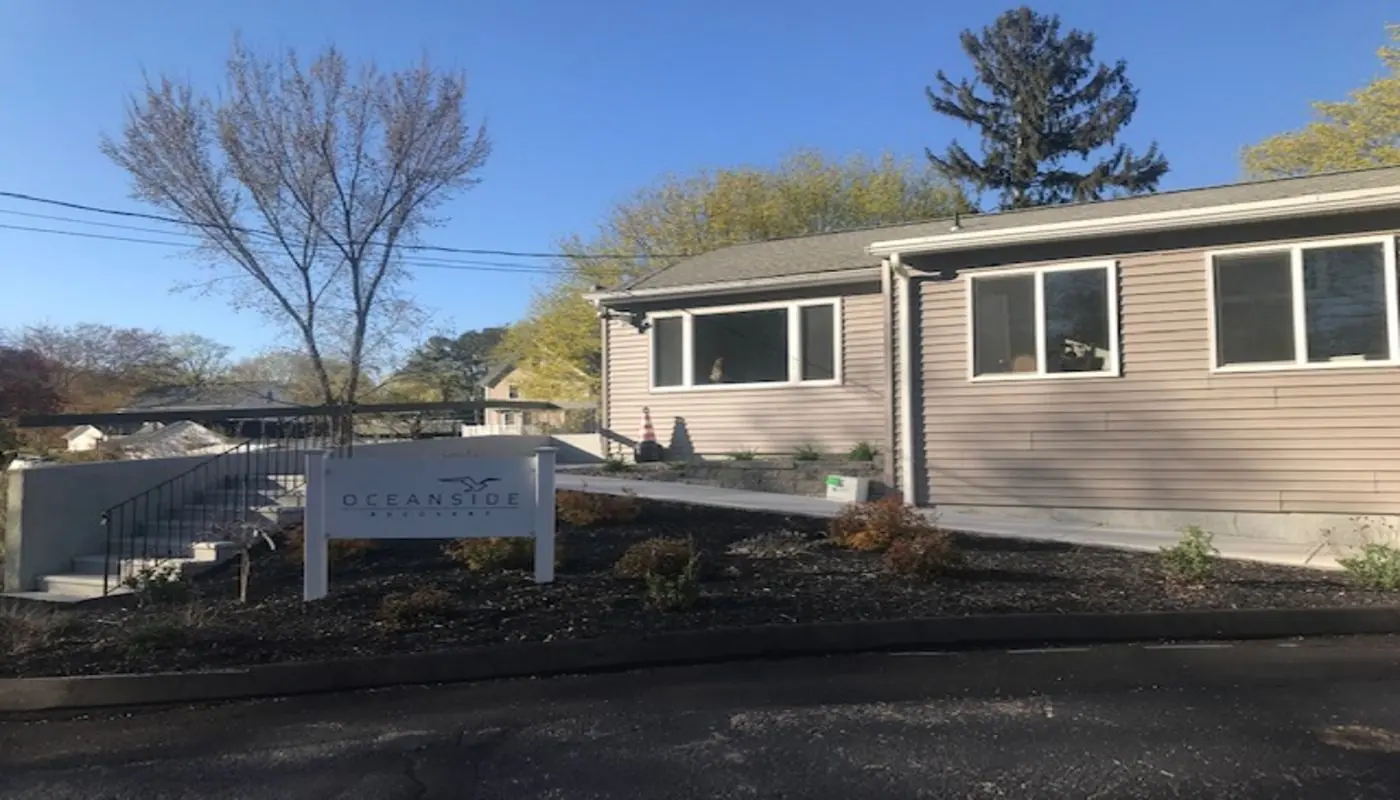
Oceanside Recovery
2.2/522 Google reviews
Niantic, CT · 5 days
Oceanside Recovery Niantic is an outpatient center for addiction treatment in Niantic, Connecticut.
- Outpatient
-
Veterans Affairs Connecticut
3.9/596 Google reviews
Newington, CT · 5 days
For veterans in Connecticut, Veterans Affairs Connecticut Healthcare Newington offers outpatient care for addiction and mental health.
- Joint Commission
- Outpatient
-
Community Health Resources Manchester
3.6/5146 Google reviews
Manchester, CT · 30 days
Located on Center Street, Community Health Resources Manchester holds Joint Commission accreditation.
- Joint Commission
- Outpatient
- Residential Rehab
-
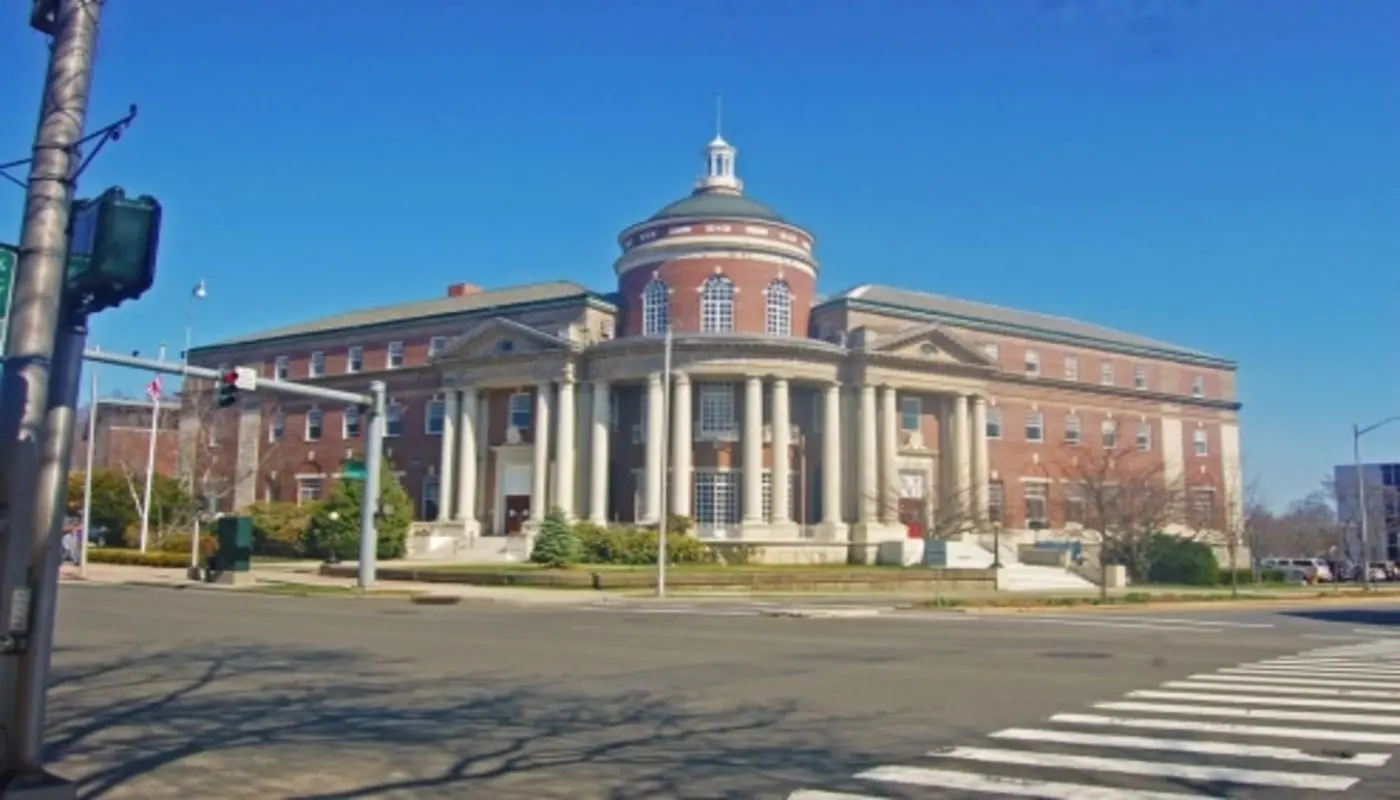
Liberation Programs Greenwich Youth
3.7/56 Google reviews
Greenwich, CT · 30 days
Liberation Programs Greenwich Youth & Family Resources is an outpatient center in Greenwich, Connecticut.
- Outpatient
- Co-Occurring Mental Health
-
Apex Community Care
4.3/516 Google reviews
Danbury, CT · 30 days
Apex Community Care Danbury is a private, nonprofit facility located in Danbury, Connecticut.
- Outpatient
- Co-Occurring Mental Health

Finding a rehab near you
New Haven and Waterbury each have 13 SAMHSA-listed facilities, while Bridgeport and Hartford each have 12. Middletown has 9, and Danbury, New London, and Torrington each have 6. The Ridge Recovery Center in Willimantic, Connecticut is one example of a local program.
If you live far from a city, then telehealth may widen your choices because 133 facilities offer remote services. Outpatient programs in Connecticut can often be reached within a short drive from smaller towns.

Paying for rehab in Connecticut
Medicaid covers addiction treatment at 144 SAMHSA-listed facilities in Connecticut, and the state adopted Medicaid expansion in 2026. Private insurance is accepted at 142 centers, Medicare at 108, and TRICARE at 73. Rehab centers in Connecticut that accept Medicaid give many families a low-cost path.
Sliding-scale fees are available at 97 programs, and 36 offer financial assistance. Only one listed facility offers no-fee care, so ask each program what you would pay. Free rehab centers in Connecticut are rare, but 97 centers adjust fees by income.
If you have private insurance, the federal parity law requires that mental health and substance use coverage be comparable to medical benefits. Contact your insurer before you pick a program so you understand your deductible and network. Alcohol rehab coverage in Connecticut under insurance depends on your plan and network status.
- take Medicaid
- 144
- that accept private insurance
- 142
- take Medicare
- 108
- with sliding-scale fees
- 97

Alcohol and drug treatment focus
Opioids remain the main driver of overdose deaths in Connecticut, but alcohol treatment is widely available, with 130 facilities offering alcohol use disorder medications. Dual diagnosis treatment in Connecticut is important when drinking or drug use comes with anxiety or depression.
Naltrexone, as one example, is available at 132 facilities, and buprenorphine at 118. If you are not sure whether detox or outpatient care fits, an assessment at a licensed program can settle that question. Alcohol rehab in Connecticut may involve counseling, medication, and family participation.

What happens when you call our helpline
A treatment advisor answers the helpline 24 hours a day, and the call is free and confidential. The advisor will ask what substance is involved, how long it has been used, and whether withdrawal is a concern.
They will ask about insurance or Medicaid and where you are, then explain levels of care that match. Calling the helpline does not obligate you to enter treatment, and no one will promise admission.
An advisor can also walk you through the choices and help you get questions ready when you are calling about another person. Calls are taken by referral specialists linked to licensed treatment programs, not by staff at a treatment facility.
How the rehab search process works
Call and describe the situation
An advisor asks about substances, timing, and safety. They will note if medical detox may be needed and explain why withdrawal from alcohol or benzodiazepines can require supervision.
Check payment options
You share your insurance, Medicaid, or self-pay status. The advisor explains which of the 144 Medicaid-listed facilities or 142 private-insurance facilities may fit your budget.
Match a level of care
You learn whether detox, residential, PHP, IOP, or outpatient makes sense. The advisor uses SAMHSA-listed options and does not diagnose or promise admission.
Prepare for the first appointment
You get practical questions to ask a program, such as medications offered, family involvement, and cost. Then you decide what to do next without pressure.
Common questions
How much does rehab in Connecticut cost?
Cost depends on the type of care and your coverage, so there is no one price that fits everyone. Among the 156 SAMHSA-listed facilities, 144 take Medicaid, 142 take private insurance, and 97 use sliding-scale fees. Talk with your insurer and request a written estimate from each program before you commit. The helpline costs nothing to call and can help you narrow down the choices.
Does Connecticut Medicaid cover rehab?
Yes, 144 SAMHSA-listed facilities in Connecticut accept Medicaid for addiction treatment. Connecticut adopted Medicaid expansion as of October 2026. Coverage depends on the type of care and your plan. Ask the program if it takes your Medicaid plan and what prior authorization it requires. You can call the helpline to learn which questions to ask.
How long is rehab for alcohol usually?
There is no standard length. Detox may take days, while residential rehab often lasts weeks to months, and outpatient care can continue longer. Of the 156 listed facilities, 130 offer alcohol use disorder medications and 133 offer outpatient services. A clinical assessment decides the appropriate level of care, not a fixed timeline.
What is the hero program in Connecticut?
The featured program does not appear in the federal facility data on this page, so its details cannot be verified here. Connecticut does have 156 SAMHSA-listed facilities, among them 21 detox programs and 30 residential rehab programs. When you want a particular program, call the helpline and an advisor can search by location and how you would pay.
Where can I find sober houses in Connecticut?
Sober houses are not the same as licensed treatment facilities, and the 156 SAMHSA-listed facilities here focus on treatment levels of care. Many people move to a sober house after residential rehab. Ask the program you choose for local referrals, and confirm house rules, costs, and whether medication is allowed before you move in.
How do people afford inpatient rehab?
Most people use a mix of insurance, Medicaid, or sliding-scale fees. In Connecticut, 142 facilities accept private insurance, 144 accept Medicaid, and 36 offer financial assistance. Only one listed facility offers no-fee care. If you are uninsured, call the helpline to ask about state-funded options and payment plans before you rule out inpatient care.