
Cornell Scott Hill Health Center Child New Haven
Cornell Scott Hill Health Center Child New Haven is an outpatient clinic on Dixwell Avenue. It is one of 156 Connecticut facilities listed by SAMHSA FindTreatment.gov as of November 2026. This guide explains the listing and how to check it.
- Outpatient
- 5 days
Run as a nonprofit, this New Haven clinic treats mental health and substance use concerns side by side rather than in separate tracks. The counseling a person receives is shaped around their own diagnosis instead of following a single set program. Families in New Haven can find this Connecticut center in SAMHSA listings, where it is shown as an outpatient choice.
Sessions focus on practical skills a person can use between visits, and on the relationships that support steadier days at home and at school. Because the clinic serves younger clients, parents and caregivers are usually part of the conversation. If your child is struggling, then starting with an assessment can clarify which level of care fits.
The description emphasizes co-occurring care, meaning emotional or behavioral health concerns are addressed alongside substance use. That combination is common, and treating only one side often leaves the other unaddressed. For families comparing addiction treatment in Connecticut, this clinic is one of several outpatient programs listed.
Outpatient treatment options
With outpatient care, someone comes to scheduled sessions and returns home the same day, so school and family routines can keep going. A usual program length of 5 days is indicated in the listing, with aftercare made up of further outpatient treatment. The clinic offers one-on-one counseling, cognitive behavioral therapy, dialectical behavior therapy, group therapy, and family therapy. These are talk-based approaches; how often sessions meet is not stated in the listing, so confirm the schedule before you commit. If you are unsure whether your child needs this level of care, a call to the clinic can help you decide.
This New Haven rehabilitation center lists trauma and PTSD among the conditions it treats. That matters because untreated trauma can make substance use harder to address. For parents seeking drug rehab for a teenager in Connecticut, the clinic's adolescent focus may be a good match.
- 1-on-1 Counseling
- Group Therapy
- Family Therapy
- Cognitive Behavioral Therapy
- Dialectical Behavior Therapy
Who this New Haven clinic is built for
- Children and adolescents, per the clinic's listed age groups
- People who identify as LGBTQ+, who are named among the populations served
- People who have both a substance use problem alongside a mental health condition at the same time
- Individuals experiencing post-traumatic stress disorder or other trauma
- Families who want therapy to include caregivers, through family therapy
Length, size, and languages spoken
A usual program length of 5 days appears in the SAMHSA record, which describes the care setting as outpatient, so this is not a residential facility with beds. Sessions are held at 226 Dixwell Avenue in New Haven. English is the sole language listed, and the record contains no photos and no stated bed count. If a residential program is what you need, the helpline can point you to Connecticut rehabs that offer beds.
Funding care at this clinic in New Haven
The listing shows cash pay rates as one payment option, but it does not spell out insurance networks or sliding-scale details. Phone the helpline to ask which plans the clinic takes, then verify with the clinic itself before booking an appointment. Your plan, not this guide, decides coverage. If cost worries you, ask about cash pay rates and whatever financial assistance the clinic may have.
Questions to ask before admission
- Which insurance plans does the clinic accept, and is a sliding scale available for cash pay?
- How often are sessions scheduled during the 5-day program, and what happens after it ends?
- Can parents or caregivers join family therapy sessions, and how is that arranged?
- How does the clinic decide whether a child needs outpatient care or a higher level of care?
- Does the clinic coordinate with schools or prescribers, and how are records shared?

Other centers in New Haven
-
Cornell Scott Hill Health Center
New Haven, CT · 5 days
Cornell Scott Hill Health Center New Haven is an outpatient behavioral health clinic on Columbus Avenue.
- Joint Commission
- Outpatient
-
Cornell Scott-Hill Health at the
New Haven, CT · 5 days
Cornell Scott-Hill Health at the Dixwell New Haven is a Connecticut outpatient rehab center.
- Joint Commission
- Outpatient
-
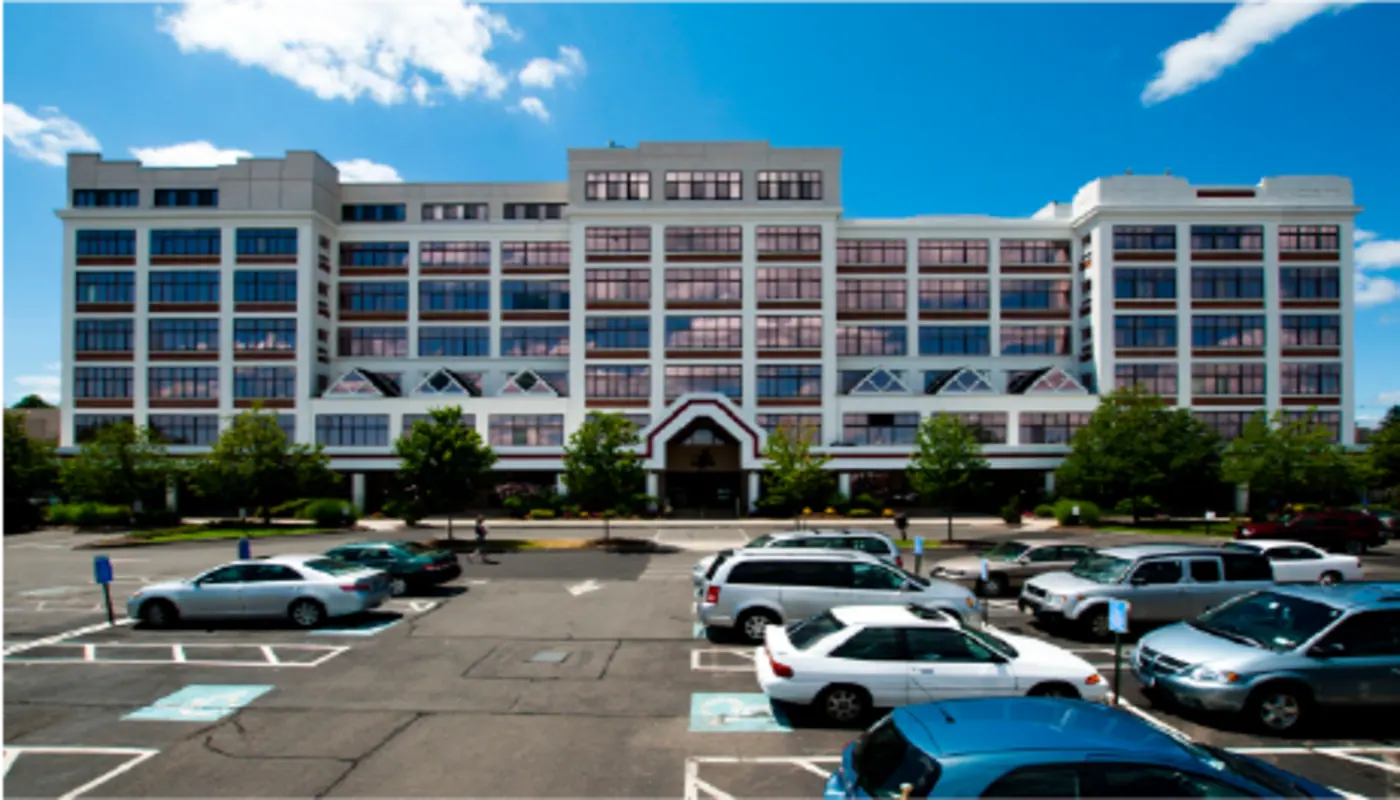
APT Foundation Access Center
3.8/549 Google reviews
New Haven, CT · 90 days
APT Foundation Access Center New Haven offers walk-in help for mental health and substance use.
- Outpatient
- Co-Occurring Mental Health
-
Connecticut Mental Health Center
3.0/53 Google reviews
New Haven, CT · 30 days
Connecticut Mental Health Center New Haven offers outpatient substance use and mental health care.
- Joint Commission
- Outpatient
- Co-Occurring Mental Health
-

Yale New Haven Health Psychiatric
2.2/564 Google reviews
New Haven, CT · 8+ days · 16-30 beds
This page explains what Yale New Haven Health Psychiatric Hospital in New Haven offers, and how people reach it.
- Joint Commission
- Outpatient
- Co-Occurring Mental Health
- Residential Rehab
-
Fair Haven Community Healthcare
New Haven, CT · 5 days
Fair Haven Community Healthcare New Haven is an outpatient center on Grand Avenue.
- Outpatient

Help
What does the Cornell Scott Hill Health Center Child New Haven clinic offer?
An outpatient clinic at 226 Dixwell Avenue in New Haven is what the listing describes. A usual length of 5 days is indicated in the SAMHSA record, covering one-on-one counseling, family therapy dialectical behavior therapy cognitive behavioral therapy, and group therapy. Among the people it serves are LGBTQ+ clients, adolescents, and children, and it treats mental health and addiction conditions that occur together. Its adolescent focus and family therapy offering place it among Connecticut rehab centers that may fit younger clients.
Does this New Haven clinic accept Medicaid?
Cash pay rates are shown in the SAMHSA listing, though participation in Medicaid or commercial insurance is not itemized, so the record by itself cannot settle that. Connecticut's Medicaid program does cover some outpatient behavioral health services, but eligibility and whether a clinic is enrolled vary. When looking for rehab centers in Connecticut that take Medicaid, a direct call to the clinic is the surest way to confirm. The helpline is offered at no cost and can help you check coverage with the clinic.
How long does outpatient care at this clinic last?
The record shows a usual program length of 5 days, and aftercare is described as outpatient treatment, which points to care extending past that period. Since the listing says nothing about how often sessions happen or how the 5 days are arranged, ask the clinic how visits are scheduled and what continuing support looks like before you enroll. Should your child need more than a short-term program, the clinic can advise on next steps.
What happens if my child requires a higher level of care than outpatient?
At that point, a clinician should weigh whether outpatient appointments will be sufficient, because some mental health and substance use conditions call for more support than a weekly session provides. The SAMHSA listings include 156 facilities across Connecticut, and many of them run intensive outpatient programs or residential care. When families are looking into drug rehab centers in Connecticut, the helpline can help them weigh the choices. It offers no diagnosis and never guarantees that anyone will be admitted.
Is this clinic a good fit for a teenager with co-occurring conditions?
It could be, as adolescents are among the groups the clinic names, and it addresses co-occurring disorders. A usual program length of 5 days is indicated in the listing, along with therapy methods for example dialectical behavior therapy plus cognitive behavioral therapy. If your teenager carries a mental health diagnosis along with a substance use concern, this clinic's combined approach may fit. Phone the helpline to verify availability and insurance.