
Cornell Scott-Hill Health at the Dixwell New Haven
Cornell Scott-Hill Health at the Dixwell New Haven is a Connecticut outpatient rehab center. The state has 156 SAMHSA-listed facilities; this is one of them and it is accredited by the Joint Commission. Care is provided on Dixwell Avenue in New Haven.
- Joint Commission
- Outpatient
- 5 days
- Hablan español
Cornell Scott-Hill Health at the Dixwell New Haven is a nonprofit rehab center in New Haven. It offers full outpatient treatment to people with a substance use disorder and to those whose drug or alcohol use overlaps with a mental health condition. You attend scheduled sessions and go back home afterward rather than staying overnight. Individual and group counseling are at the core of what the center offers, and the team includes therapists trained in several specific approaches.
The center builds a plan around your own diagnosis and circumstances instead of a standard script for everyone in New Haven. You develop practical skills you can use outside the building and spend time with other people in treatment, which many people find steadies the harder weeks. Sessions draw on cognitive behavioral therapy and dialectical behavior therapy, both structured talk therapies aimed at changing patterns of thinking and coping. Trauma-specific therapy is available for people whose history includes post-traumatic stress disorder or other trauma.
One point deserves a plain statement: this guide does not deliver treatment and does not diagnose anyone. The helpline beside this page puts callers in touch with licensed providers using trained advisors. It costs nothing, stays private, and comes with no strings attached. It is a way to ask questions and check what is available before you decide anything.
Programs at Cornell Scott-Hill Health
The center provides outpatient care only, so there are no residential beds and no overnight withdrawal management on site in New Haven. Sessions draw on cognitive behavioral therapy and dialectical behavior therapy, plus one-on-one counseling, group therapy, and relapse prevention counseling. Trauma-specific therapy is available for people whose history includes post-traumatic stress disorder or other trauma. Additional services include acupuncture, life skills work, and online therapy for people who cannot always attend in person. Tobacco cessation support is offered as well, which matters because smoking often goes unaddressed in addiction treatment.
Continuing care and ongoing outpatient treatment are part of the plan after the initial course of care ends. The center's usual program length is about 5 days, so ask how many visits per week that involves and what a typical schedule looks like. If you are uncertain whether outpatient treatment suits your situation, you can call to check space and benefits with this center. When you call, ask what happens if you need a higher intensity of care such as residential or detox, partway through.
- Life Skills
- Cognitive Behavioral Therapy
- Trauma-Specific Therapy
- Relapse Prevention Counseling
- Acupuncture
- 1-on-1 Counseling
- Online Therapy
- Dialectical Behavior Therapy
- Group Therapy
Who this program is built for
- Adults of any gender, with programming that includes men and women specifically
- Young adults and older adults at different life stages
- Veterans
- People who identify as LGBTQ+
- People with co-occurring disorders such as PTSD, trauma, anger, or perinatal mental health needs
- People seeking help with drug use, problem drinking, or smoking cessation, including those with a gambling concern
Setting, languages, and length of care
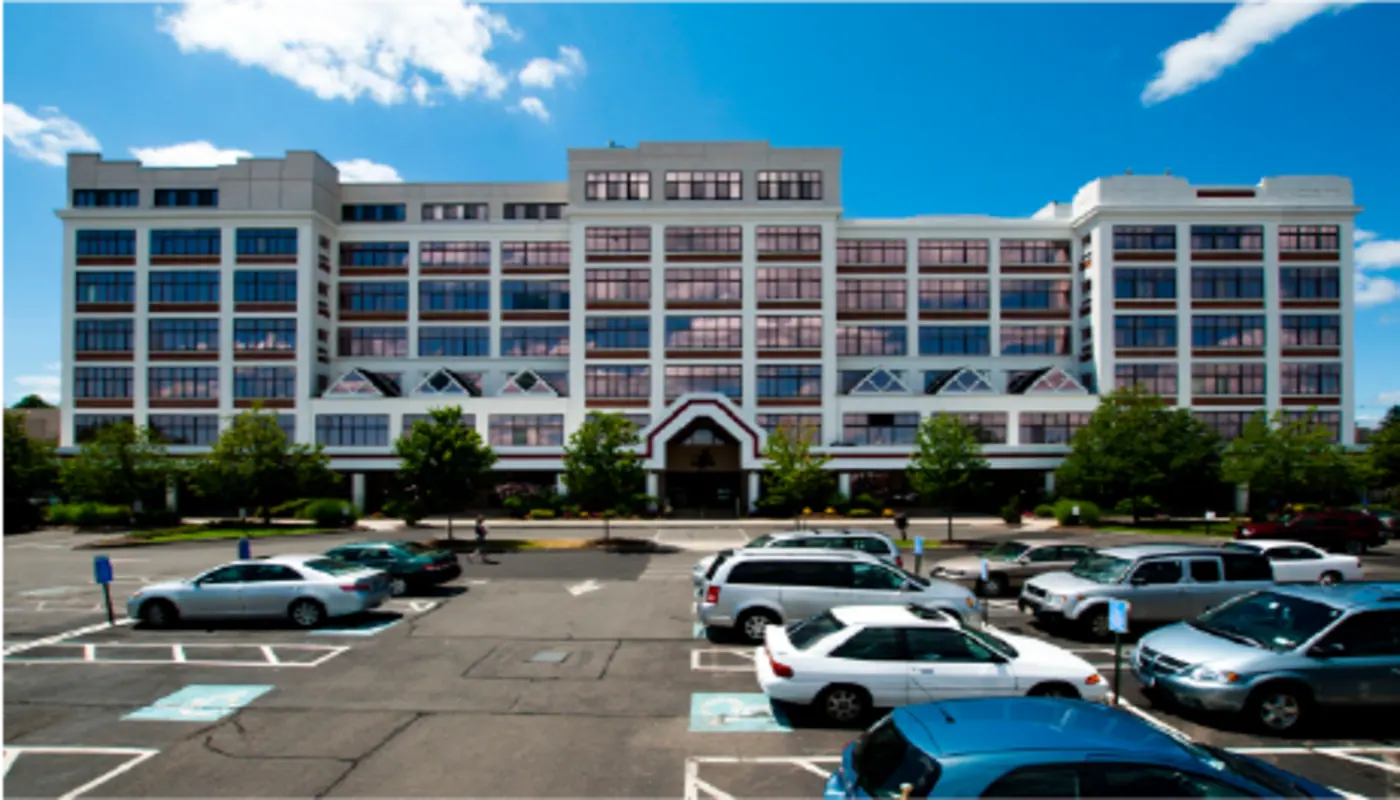
You will find the center on the second floor at 197 Dixwell Avenue in New Haven, Connecticut, delivered in an outpatient format rather than a residential one. Staff speak English, French, and Spanish, which helps if English is not the language you think in when things get difficult. The usual program length is about 5 days, and the Joint Commission accredits the organization. Because the center is outpatient, a typical week involves scheduled visits rather than a live-in stay. When language or location is a barrier, then ask about online therapy and whether sessions can be conducted in Spanish or French.
Paying for treatment here in New Haven
The center takes cash pay rates as a private pay choice, and a nonprofit structure privately funds its services. The listing does not spell out insurance and coverage details, so the practical thing is to phone and ask what your plan covers before you pick a start date. If you are unsure about your coverage, then you can phone to check space and benefits with this center without any cost to you. That call does not commit you to anything and stays private.
Useful questions before beginning
- What insurance plans are accepted by the center, and what portion of costs will I pay?
- In the 5-day program, how many visits per week are involved, and what does a typical schedule look like?
- Can you treat my mental health condition and my substance use at the same time, or do I need two separate programs?
- What happens if I need a greater level of care, like inpatient or detox, partway through?
- Is therapy available in Spanish or French, and can I request a specific counselor?


Other centers in New Haven
-
Cornell Scott Hill Health Center Child
New Haven, CT · 5 days
Cornell Scott Hill Health Center Child New Haven is an outpatient clinic on Dixwell Avenue.
- Outpatient
-
Cornell Scott Hill Health Center
New Haven, CT · 5 days
Cornell Scott Hill Health Center New Haven is an outpatient behavioral health clinic on Columbus Avenue.
- Joint Commission
- Outpatient
-
APT Foundation Access Center
3.8/549 Google reviews
New Haven, CT · 90 days
APT Foundation Access Center New Haven offers walk-in help for mental health and substance use.
- Outpatient
- Co-Occurring Mental Health
-
Connecticut Mental Health Center
3.0/53 Google reviews
New Haven, CT · 30 days
Connecticut Mental Health Center New Haven offers outpatient substance use and mental health care.
- Joint Commission
- Outpatient
- Co-Occurring Mental Health
-

Yale New Haven Health Psychiatric
2.2/564 Google reviews
New Haven, CT · 8+ days · 16-30 beds
This page explains what Yale New Haven Health Psychiatric Hospital in New Haven offers, and how people reach it.
- Joint Commission
- Outpatient
- Co-Occurring Mental Health
- Residential Rehab
-
Fair Haven Community Healthcare
New Haven, CT · 5 days
Fair Haven Community Healthcare New Haven is an outpatient center on Grand Avenue.
- Outpatient

Help
Is Cornell Scott-Hill Health at the Dixwell New Haven an inpatient or outpatient rehab?
This is an outpatient rehab center, so you attend scheduled visits and return home afterward. The listing shows no residential beds and no overnight detox on site. That makes it a fit for people who have already stabilized or whose needs do not call for 24-hour monitoring. If you are not sure which level of care suits your situation, ask before scheduling. The helpline can help you check what is available.
How long does treatment last at this Connecticut center?
According to the listing, the typical program length is about 5 days, which is short and intensive rather than a months-long stay. Continuing care and further outpatient treatment follow that first course. Ask what the daily schedule looks like and how soon follow-up sessions begin, since the weeks after an initial program often decide how well things hold. The helpline can help you ask those questions without any cost.
Does this center accept Medicaid or insurance?
The listing shows cash pay rates but names no specific insurance plans, so coverage has to be confirmed by phone. Connecticut's Medicaid program covers substance use treatment broadly, and many private plans do as well, but verify with the center before assuming anything. If you want to learn what your plan covers, call the helpline to inquire about coverage and availability at no cost. That call stays private and obligates you to nothing.
Can I get dual diagnosis treatment in New Haven here?
Yes. The center treats co-occurring disorders, meaning substance use alongside conditions such as PTSD, trauma, anger, or perinatal mental health concerns. Therapy options include dialectical behavior therapy cognitive behavioral therapy and trauma-specific counseling. If your mental health needs are severe or unstable, ask whether outpatient care is the right setting or whether a higher level of care should come before. The helpline can help you sort out which level of care to ask about.
Before starting outpatient care, what should I ask about withdrawal?
Ask how the center handles withdrawal from alcohol or benzodiazepines, because both can be dangerous and a medical team should watch over the process. This center does not list overnight detox on site, so if you are drinking heavily or using benzodiazepines and want to stop, talk with a clinician first. When withdrawal risk is present, then a higher level of care may be the safer starting point. The helpline can help you find licensed providers who can assess that.