
Rushford Center Glastonbury
Rushford Center Glastonbury is an outpatient addiction treatment center. It is one of 156 SAMHSA-listed facilities in Connecticut. Care here runs about 30 days on an individualized plan.
- Joint Commission
- Outpatient
- Co-Occurring Mental Health
- 30 days
This is a non-profit treatment center in Glastonbury that works with people on an outpatient basis. Instead of moving someone into a residential building, staff build a structured plan around appointments, counseling sessions and group work, so a person can keep living at home while getting care. The center serves adults and young adults, and it addresses substance use and mental health conditions together rather than one at a time.
The clinical side leans on an individualized plan. Staff assess what a person is dealing with, write goals, and adjust as things change. Twelve Step participation is supported as part of the program, and discharge planning is structured so that leaving the program is a planned handoff rather than an abrupt stop. The tone throughout is supportive and steady rather than confrontational.
Because this is outpatient care, the schedule matters as much as the therapy. Clients come in for counseling and groups, then return to their own homes, jobs and families. That works well for people with a stable living situation and a reason to stay close to home. It is not the setting for someone who needs 24-hour monitoring, and staff will say so if that is what the assessment points to.
Programs at Rushford Center
Co-occurring condition treatment and outpatient mental health care are available here, meaning addiction and a mental health condition get addressed within one plan. Therapeutic options include family therapy individual counseling cognitive behavioral therapy, group therapy, trauma-specific therapy, relapse prevention counseling, online therapy and medication-assisted treatment. Twelve Step facilitation also forms part of the approach.
Trauma is one of the conditions the program treats, and chronic relapse and co-occurring disorders are listed among the issues it handles. Aftercare continues past the main program: continuing care, an intensive outpatient program, outpatient treatment, recovery coaching and support meetings. A typical episode runs about 30 days, and the plan is written for the individual rather than applied as a fixed curriculum.
- Family Therapy
- 1-on-1 Counseling
- Medication-Assisted Treatment
- Relapse Prevention Counseling
- Trauma-Specific Therapy
- Twelve Step Facilitation
- Twelve Step
- Group Therapy
- Online Therapy
- Cognitive Behavioral Therapy
Who this program is for in Glastonbury
- Adults and young adults who need structured outpatient care rather than 24-hour monitoring
- People with a substance use disorder who also have a mental health condition, treated together
- Men and women who have experienced trauma and want it addressed inside their treatment plan
- Those who have experienced multiple relapses and are seeking counseling to prevent relapse along with ongoing support
- Those who want Twelve Step participation built into their schedule
How the venue and schedule work
Appointments take place at 110 National Drive in Glastonbury, Connecticut, and the center is licensed to serve English-speaking clients. Services are provided on an outpatient basis, so the duration is counted in weeks of visits rather than overnight stays; the usual program length is around 30 days. Online therapy is available as an option, allowing some individuals to participate remotely when traveling to the facility is not feasible.
Costs of care at this center
Self-pay rates appear among the payment choices, and health insurance is often used for outpatient addiction treatment, including coverage via the state Medicaid program. What is covered varies by plan, level of care, and whether the provider is in network, so the sensible step is to contact the center and request a benefits check before you settle on a start date. If you are uncertain about your plan's coverage, the helpline can assist you in preparing the right questions.
Useful questions before beginning
- Does the center accept my insurance or the state Medicaid program, and is it in network for outpatient care?
- What is the weekly attendance requirement, and what duration would the plan have for my circumstances?
- In what way does the program address co-occurring disorders and trauma within the same treatment plan?
- What occurs if I require a more intensive level of care than outpatient, like inpatient treatment or detox?
- How is continuing care structured after the main program concludes, including recovery coaching and support meetings?


Nearby centers to consider
-
Cornell Scott Hill Health Center Child
New Haven, CT · 5 days
Cornell Scott Hill Health Center Child New Haven is an outpatient clinic on Dixwell Avenue.
- Outpatient
-
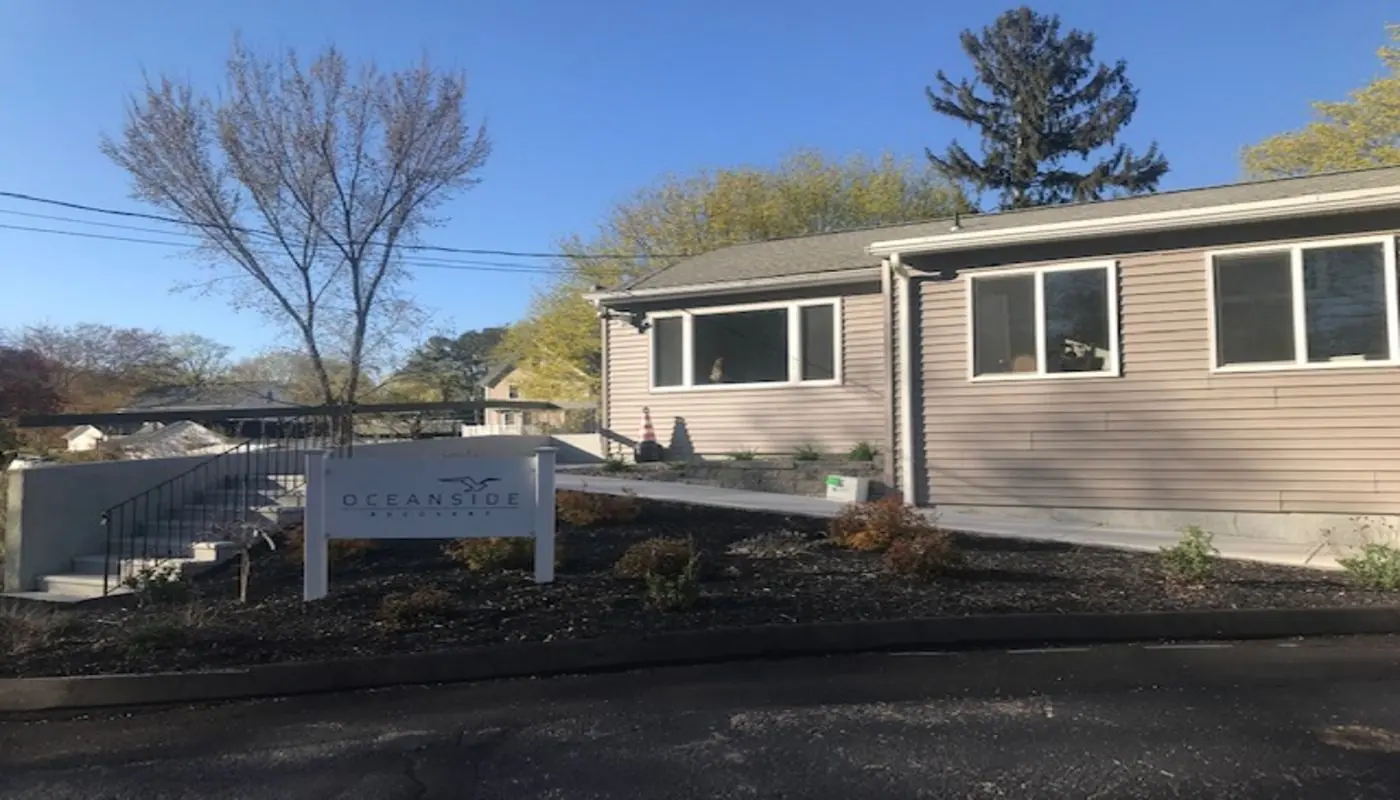
Oceanside Recovery
2.2/522 Google reviews
Niantic, CT · 5 days
Oceanside Recovery Niantic is an outpatient center for addiction treatment in Niantic, Connecticut.
- Outpatient
-
Veterans Affairs Connecticut
3.9/596 Google reviews
Newington, CT · 5 days
For veterans in Connecticut, Veterans Affairs Connecticut Healthcare Newington offers outpatient care for addiction and mental health.
- Joint Commission
- Outpatient
-
Community Health Resources Manchester
3.6/5146 Google reviews
Manchester, CT · 30 days
Located on Center Street, Community Health Resources Manchester holds Joint Commission accreditation.
- Joint Commission
- Outpatient
- Residential Rehab
-
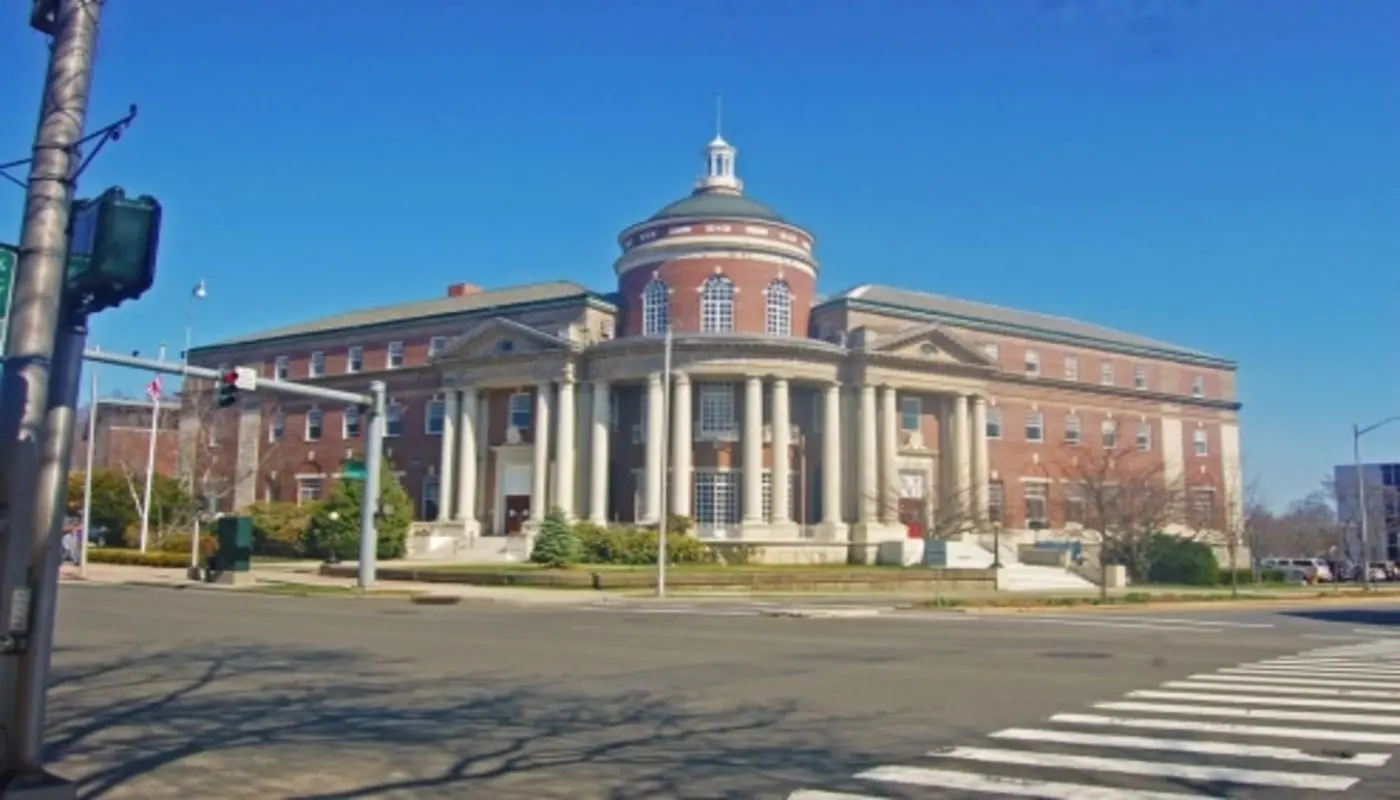
Liberation Programs Greenwich Youth
3.7/56 Google reviews
Greenwich, CT · 30 days
Liberation Programs Greenwich Youth & Family Resources is an outpatient center in Greenwich, Connecticut.
- Outpatient
- Co-Occurring Mental Health
-
Apex Community Care
4.3/516 Google reviews
Danbury, CT · 30 days
Apex Community Care Danbury is a private, nonprofit facility located in Danbury, Connecticut.
- Outpatient
- Co-Occurring Mental Health
Help
Is Rushford Center Glastonbury an inpatient or outpatient rehab?
It is an outpatient center. Care is delivered through scheduled counseling and group sessions rather than a residential stay, and a typical program runs about 30 days. That suits people with a stable place to live who do not need 24-hour monitoring. If an assessment shows someone needs inpatient care or medical detox, staff would refer them to a higher level of care rather than stretch outpatient treatment to fit.
Does this Connecticut rehab center accept Medicaid?
Connecticut's state Medicaid program frequently pays for outpatient addiction treatment, and self-pay rates are listed by this center as well. Coverage for a specific service under your specific plan hinges on that plan and the level of care. Reach out to the center, ask for a verification of benefits, and get the answer before you schedule an intake. The helpline can help you draft those questions without charge.
What therapies does Rushford Center Glastonbury offer?
The program includes cognitive behavioral therapy, individual counseling, family therapy, group therapy, trauma-specific therapy, relapse prevention counseling, online therapy and medication-assisted treatment, with Twelve Step facilitation as part of the approach. Co-occurring disorders and trauma are addressed alongside substance use. All of this is part of an individualized plan, so the specific combination you receive is based on the assessment rather than a fixed set of options.
What is the length of treatment at this center?
The usual program length is around 30 days, but the plan is individualized and continuing care is offered afterward via an intensive outpatient program, outpatient treatment, recovery coaching and support meetings. If you require additional time or a higher level of care, that determination should be made through a clinical assessment. Inquire directly with the center about how they decide when a person is ready to step down.
What questions should I pose regarding care for co-occurring mental health and trauma?
Inquire about the way the center combines mental health care and substance use treatment into one plan, and where trauma-focused therapy fits. Because co-occurring disorders and trauma appear among the conditions it treats, the staff ought to be able to describe how counseling and psychiatric services are coordinated. Asking who delivers each service, and how progress gets reviewed, is reasonable. Before you make the call, the helpline can help you put these questions together.