
Community Health Resources Roots to Willimantic
Community Health Resources Roots to Willimantic is a nonprofit behavioral health center. SAMHSA lists it among 156 Connecticut facilities as of November 2026. This page explains what it offers and how to check your options.
- Co-Occurring Mental Health
- Residential Rehab
- 30 days
Community Health Resources Roots to Recovery in Willimantic is a private nonprofit organization. It serves adults and treats mental health conditions and substance use together instead of separately. Residential rehabilitation is one part of its work, with outpatient services alongside it, so people can move between levels of care as their needs change. Treatment is planned around each person's situation, with the clinical picture considered as a whole.
What you read here reflects the center's listing and the description the center provides. It is informational only and is not medical care for anyone. Trained advisors staff the helpline shown below and link callers to licensed providers. Calls are free, remain private, and put the caller under no commitment.
Community health resources roots
At Community Health Resources Roots to Willimantic, residential rehab and co-occurring disorder care are offered, and programs generally last 30 days. Residential rehab and dual diagnosis care at this Willimantic Connecticut center means therapy happens where the person lives while in treatment, with mental health needs handled alongside substance use. If you're comparing inpatient care with outpatient care, ask what level the center suggests for your situation, because the appropriate setting follows from a clinical assessment.
Among the therapy options are individual counseling, cognitive behavioral therapy, group therapy, motivational interviewing, and trauma-specific therapy. The center also lists acupuncture, life skills work, medication-assisted treatment, and relapse prevention counseling. Once the residential portion ends, continuing care, employment counseling, and support meetings help people maintain structure. As someone nears the end of the 30-day program, continuing care planning ought to start before discharge, so the transition doesn't leave a gap.
- Life Skills
- Cognitive Behavioral Therapy
- Relapse Prevention Counseling
- 1-on-1 Counseling
- Motivational Interviewing
- Group Therapy
- Trauma-Specific Therapy
- Acupuncture
- Medication-Assisted Treatment
People the program is designed for
- Adults, men and women included, with a substance use disorder
- People with co-occurring disorders, treated alongside substance use
- Young adults and older adults
- People dealing with anger, gambling or trauma alongside substance use
- People who want to stop smoking as part of their treatment plan
- English-speaking clients; the center lists English as its language
Length of stay, setting and languages
The typical stay shown in the listing is 30 days, and residential rehab means you live at the Willimantic location during treatment. Inpatient and outpatient services at this Connecticut rehab center in Willimantic tells you the center can help people at more than one level of care. If you need a step down after residential care, ask how the outpatient side is set up. Services are offered in English. Since the listing doesn't give bed counts or amenities, calling is the practical way to learn what daily life is like and what room is open right now.
Paying for treatment here in Willimantic
The listing shows cash pay rates as one option. Details on insurance coverage aren't published, and this page cannot confirm what any plan will cover, so contact the center and ask which plans it accepts before you arrange things around a start date. Medicaid and private insurance accepted at Connecticut rehab centers differ by plan and by level of care, so a benefits check settles that question. If cost is your deciding factor, ask about payment arrangements and any sliding scale during that call.
Questions to ask before admission
- Will my insurance plan pay for residential rehab here, and what would my share be?
- How is dual diagnosis treatment structured, and are the same clinicians involved throughout?
- What does a typical day include, and which therapies would be in my plan?
- How does the center handle medication-assisted treatment, and who writes the prescriptions?
- What happens when the 30 days end, and how is ongoing care set up?


Nearby centers to consider
-
Cornell Scott Hill Health Center Child
New Haven, CT · 5 days
Cornell Scott Hill Health Center Child New Haven is an outpatient clinic on Dixwell Avenue.
- Outpatient
-
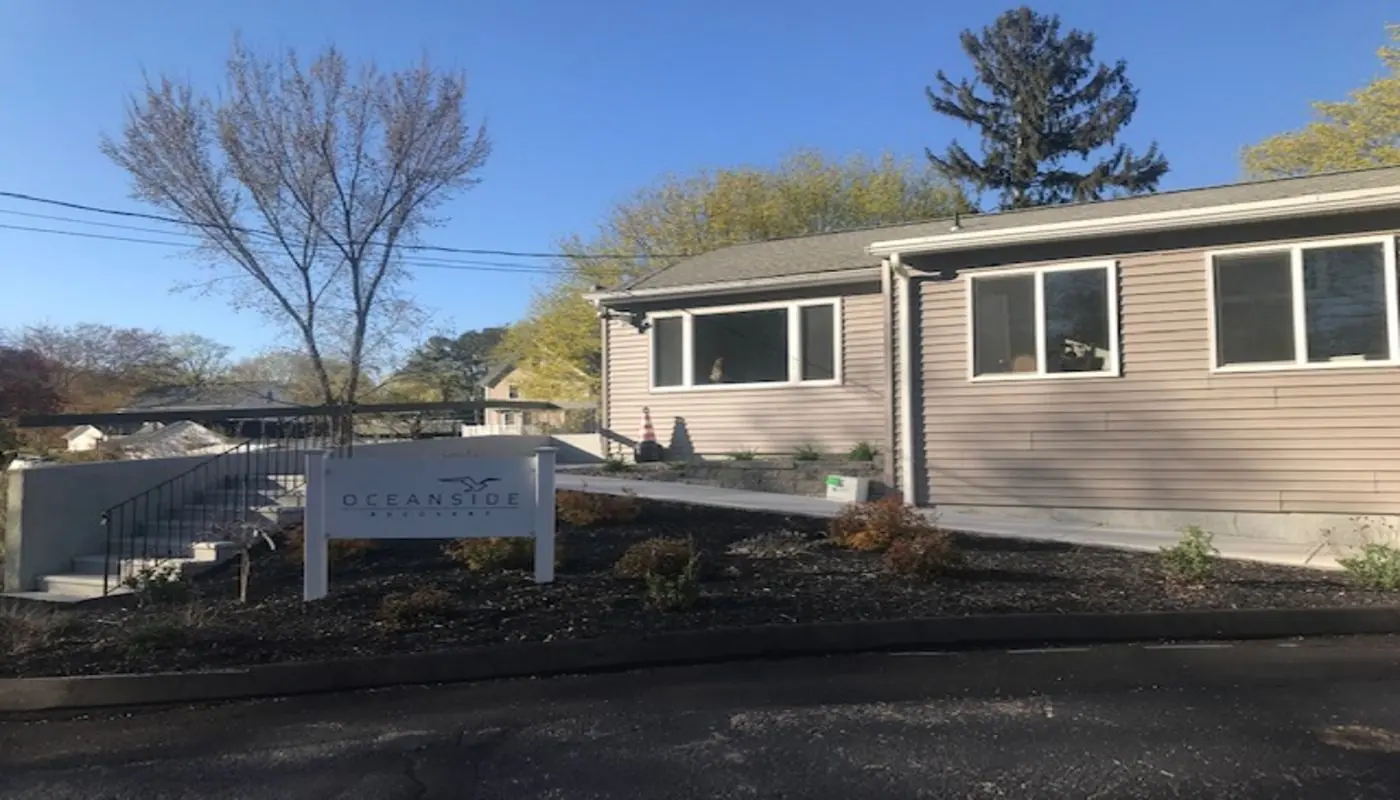
Oceanside Recovery
2.2/522 Google reviews
Niantic, CT · 5 days
Oceanside Recovery Niantic is an outpatient center for addiction treatment in Niantic, Connecticut.
- Outpatient
-
Veterans Affairs Connecticut
3.9/596 Google reviews
Newington, CT · 5 days
For veterans in Connecticut, Veterans Affairs Connecticut Healthcare Newington offers outpatient care for addiction and mental health.
- Joint Commission
- Outpatient
-
Community Health Resources Manchester
3.6/5146 Google reviews
Manchester, CT · 30 days
Located on Center Street, Community Health Resources Manchester holds Joint Commission accreditation.
- Joint Commission
- Outpatient
- Residential Rehab
-
Liberation Programs Greenwich Youth
3.7/56 Google reviews
Greenwich, CT · 30 days
Liberation Programs Greenwich Youth & Family Resources is an outpatient center in Greenwich, Connecticut.
- Outpatient
- Co-Occurring Mental Health
-
Apex Community Care
4.3/516 Google reviews
Danbury, CT · 30 days
Apex Community Care Danbury is a private, nonprofit facility located in Danbury, Connecticut.
- Outpatient
- Co-Occurring Mental Health
Help
How long is rehab at Community Health Resources Roots to Willimantic?
The typical program length in the listing is 30 days. Treat that as a starting benchmark, not a fixed rule, since the right duration depends on a clinical assessment and on how someone responds to treatment. During intake, ask how the 30-day plan would apply to your situation, and ask what happens if you need more time or a step down to outpatient care. If insurance is paying, confirm how many days the plan will cover before you begin.
Does this Willimantic center accept Medicaid?
The listing doesn't say which insurance plans the center accepts, so Medicaid coverage can't be confirmed from this page. Connecticut's Medicaid program and commercial plans cover different services, and residential rehab is often reviewed apart from outpatient care. Call the center directly and ask about Medicaid, private insurance and cash pay rates before you make plans. If Medicaid is your coverage, ask whether the specific service you need is included.
Does the program address mental health conditions that show up together with substance use?
Yes. Co-occurring disorders is one of two care options the center lists, next to residential rehab. That means mental health needs are part of the same treatment plan instead of being handled separately. Trauma-specific therapy is listed too, which matters for people whose substance use ties back to past experiences. If you have a dual diagnosis, ask how the two parts of your care would be coordinated and who leads the plan.
Where is the center located, and what is nearby?
Community Health Resources Roots to Recovery is at 1493 West Main Street in Willimantic, Connecticut. That puts it in eastern Connecticut, within reach of families across the region. Because the listing does not publish visitor policies or transit details, call before you plan a visit or arrange transportation. It is one of 156 Connecticut facilities in the SAMHSA listings, so nearby alternatives may also exist. If you need a rehab center in Connecticut near Willimantic, then compare this listing with others in the region.
What happens after the 30-day program ends?
The center lists continuing care, employment counseling and support meetings as aftercare options. A typical 30-day stay is a starting point, and planning for the next step should begin before discharge. If you are returning home or to a sober house, then ask how aftercare appointments are scheduled and whether outpatient services at the same center are available. When you call, ask what the first month after residential treatment usually looks like.