
Community Health Resources Putnam
Community Health Resources Putnam holds Joint Commission accreditation and sits at 391 Pomfret Street. Among the 156 SAMHSA-listed facilities in Connecticut, it is one. On this page you'll find its programs, how payment works and the questions worth asking before you call.
- Joint Commission
- Outpatient
- Co-Occurring Mental Health
- Residential Rehab
- 30 days
Two main service lines operate under a single roof here. Adults may choose residential care for a structured stay, or come in for outpatient visits while remaining at home. Mental health treatment is built into both tracks instead of being handled apart, so someone facing substance use and a co-occurring condition addresses both at the same time. If you are comparing drug rehab centers in Connecticut, then the level of care matters more than the brochure. Staff create a personal plan for each person, and steady, practical support is the focus.
This is a community setting, not a private retreat. When you call a Connecticut rehab center, ask which services are offered in Putnam and which require a referral elsewhere. Asking keeps your expectations realistic. The center's listing names outpatient care, residential treatment plus dual diagnosis mental health care, so most people start by asking which track a clinician would suggest for their situation.
Intensity of care and therapies
Residential rehab and outpatient care are both listed, and co-occurring mental health treatment is available with each. If you need inpatient addiction treatment in Connecticut, then ask whether a bed is open before you arrange transportation. Residential care offers a supervised setting where someone can stabilize; outpatient allows a person to keep working or caring for family while coming in for sessions. The right level depends on how much structure a clinician believes is needed.
Counseling comes in several forms: individual sessions, cognitive behavioral therapy family therapy group therapy. The listing also names acupuncture, life skills work, online therapy, trauma specific therapy along with twelve step facilitation the mutual-aid approach named here is Twelve Step. People with trauma histories or perinatal mental health concerns can ask how those needs get folded into the plan, and anyone concerned about opioid withdrawal should ask, before arriving, whether Suboxone or another medication option is offered here.
- Twelve Step
- Group Therapy
- Cognitive Behavioral Therapy
- Acupuncture
- Twelve Step Facilitation
- Trauma-Specific Therapy
- Life Skills
- Online Therapy
- 1-on-1 Counseling
- Family Therapy
Who this Putnam program is built for
- Adults, including men, women and young adults
- People who are LGBTQ+ and want a program that takes that into account
- Someone with a drug or opioid use disorder together with a co-occurring mental health condition
- People dealing with trauma, anger or gambling alongside substance use
- Parents navigating perinatal mental health concerns
- Anyone ready to stop smoking who wants cessation support
Program length, size, languages
For residential care, the listed typical length is 30 days, though a person's plan may run shorter or longer based on clinical need. When you plan a stay at a Connecticut rehab center, then confirm the length with the intake team so work and family arrangements line up. English is the language in which services are offered. The address is on Pomfret Street in Putnam, in the state's northeast corner, worth noting if you are weighing travel from Willimantic or another part of eastern Connecticut. Room details and facility size are not published, so ask directly if a private room or a particular bed date matters to you.
Paying for treatment here in Putnam
Cash pay rates are shown as a private payment option. If you rely on Medicaid, then verify coverage by phone before you commit to a start date. This page does not confirm insurance, including Medicaid. Ask about the plans the center is in network with and what a residential stay would cost you out of pocket once any benefit applies. If cost is the sticking point, ask whether a sliding scale exists or whether the center can point you toward state-funded options.
Questions to ask before admission
- Is a bed available right now, and what is the wait for residential care?
- Will you take my insurance or Medicaid, and what will I owe once benefits apply?
- What determines the 30-day length, and can it be extended if I need more time?
- How do you treat withdrawal from alcohol or benzodiazepines, and who oversees it?
- Can my family join sessions, and what does aftercare look like when I leave?


Nearby centers to consider
-
Cornell Scott Hill Health Center Child
New Haven, CT · 5 days
Cornell Scott Hill Health Center Child New Haven is an outpatient clinic on Dixwell Avenue.
- Outpatient
-
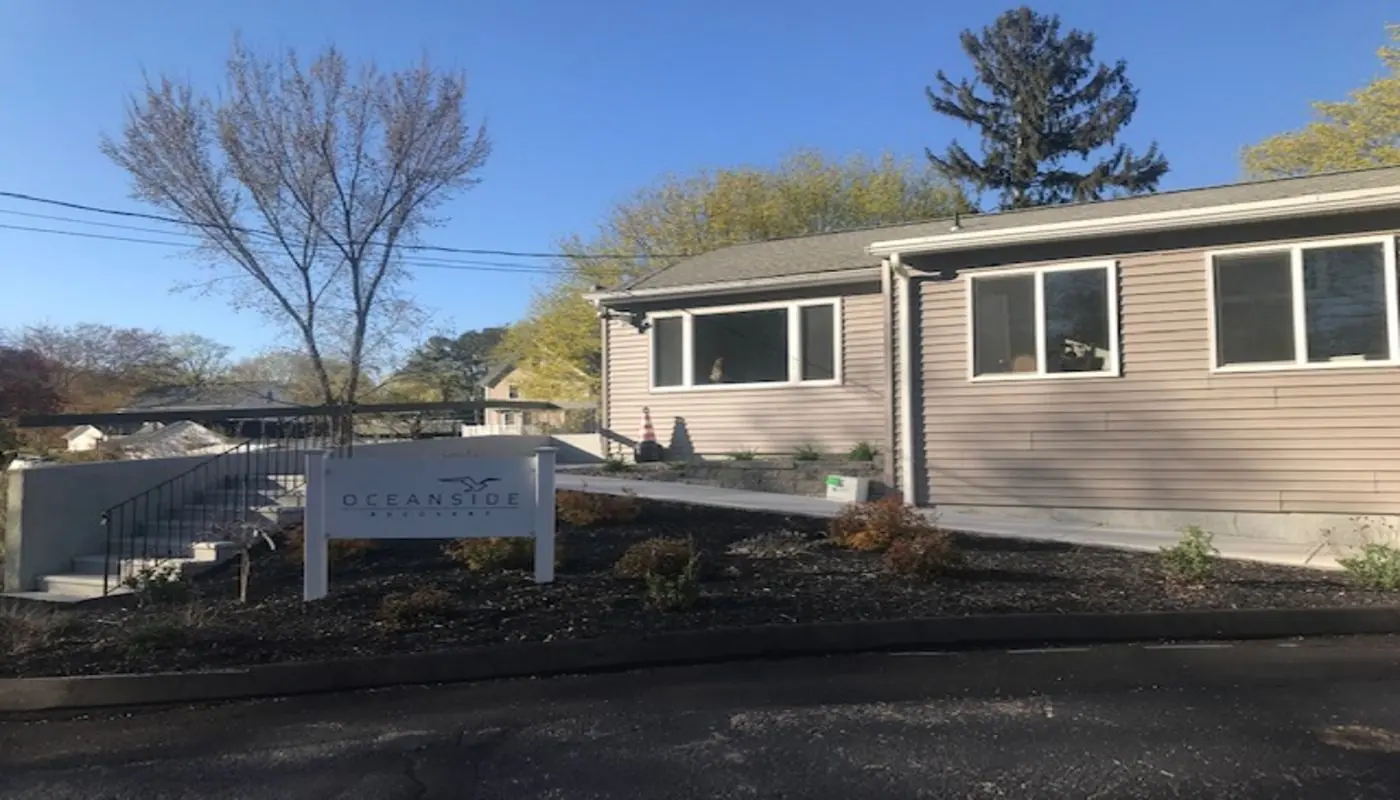
Oceanside Recovery
2.2/522 Google reviews
Niantic, CT · 5 days
Oceanside Recovery Niantic is an outpatient center for addiction treatment in Niantic, Connecticut.
- Outpatient
-
Veterans Affairs Connecticut
3.9/596 Google reviews
Newington, CT · 5 days
For veterans in Connecticut, Veterans Affairs Connecticut Healthcare Newington offers outpatient care for addiction and mental health.
- Joint Commission
- Outpatient
-
Community Health Resources Manchester
3.6/5146 Google reviews
Manchester, CT · 30 days
Located on Center Street, Community Health Resources Manchester holds Joint Commission accreditation.
- Joint Commission
- Outpatient
- Residential Rehab
-

Liberation Programs Greenwich Youth
3.7/56 Google reviews
Greenwich, CT · 30 days
Liberation Programs Greenwich Youth & Family Resources is an outpatient center in Greenwich, Connecticut.
- Outpatient
- Co-Occurring Mental Health
-
Apex Community Care
4.3/516 Google reviews
Danbury, CT · 30 days
Apex Community Care Danbury is a private, nonprofit facility located in Danbury, Connecticut.
- Outpatient
- Co-Occurring Mental Health

Help
Does Community Health Resources Putnam accept Medicaid?
The center's listing does not confirm that, so call and ask before planning a start date. Cash pay rates appear in the listing as a private payment option, which means self-pay is possible. For Medicaid, ask which plans the center contracts with and whether a residential stay would be covered. Connecticut's Medicaid program and the center's billing office can both confirm the details, and getting that answer in writing saves confusion later.
How long does rehab last at this center?
A standard program duration of 30 days is listed by the center for residential care. That figure is a norm, not a rule. Someone stepping down from detox may get a shorter stay, while a person with a co-occurring condition who needs more time could get a longer one. Ask how the length gets set and whether an extension is possible mid-stay, because that answer shapes work, childcare and housing plans.
What occurs if I need detox from alcohol or benzodiazepines?
Alcohol or benzodiazepine withdrawal can become medically dangerous, which is why a clinician should evaluate you before you stop. The center lists residential rehab, and you should ask whether medical monitoring is included in the stay or whether you would go first to a hospital or detox facility. MedlinePlus notes that alcohol withdrawal can peak within days, so the timing of your call matters. Do not taper on your own.
Is this a dual diagnosis treatment program?
Yes. The center lists co-occurring disorders as a core service, so substance use and conditions like trauma, anger or perinatal mental health concerns get treated together instead of in sequence. That matters because untreated mental health symptoms often drive a return to drinking or drug use. Ask how the two parts of your plan are coordinated and whether a single counselor owns both.
Does Community Health Resources Putnam offer outpatient care?
Yes, the center lists outpatient treatment alongside residential rehab. Outpatient lets someone live at home and attend sessions, which suits people with stable housing and mild withdrawal risk. The center also lists online therapy and continuing care. If your schedule is tight, ask whether evening or virtual appointments exist. For anyone with a history of severe withdrawal, a clinician should decide whether outpatient is safe before you start.