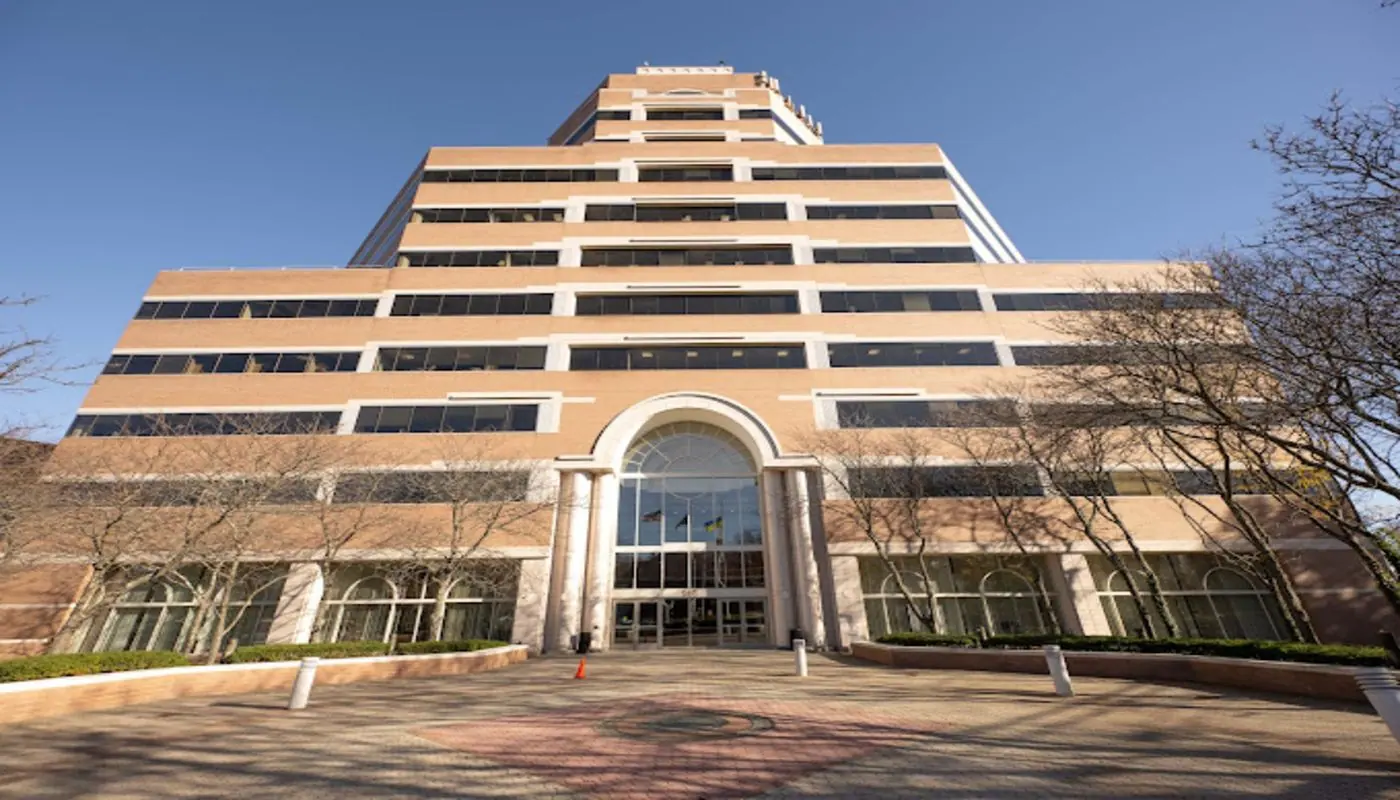
walden Middletown
Walden Middletown is an outpatient center at 213 Court St. It has held Joint Commission accreditation since 2022. This page explains programs, payment, and how to check availability.
- Joint Commission
- Outpatient
- 30 days
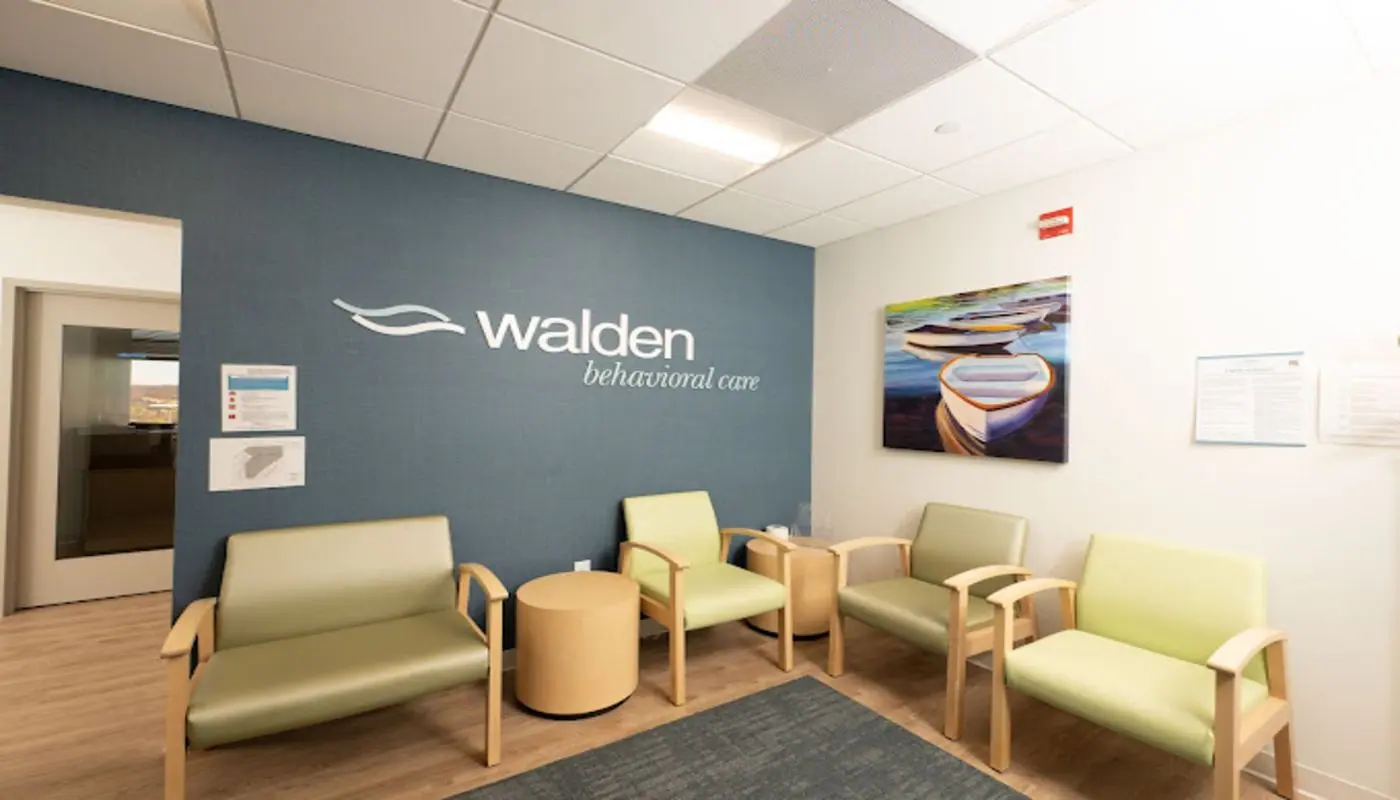
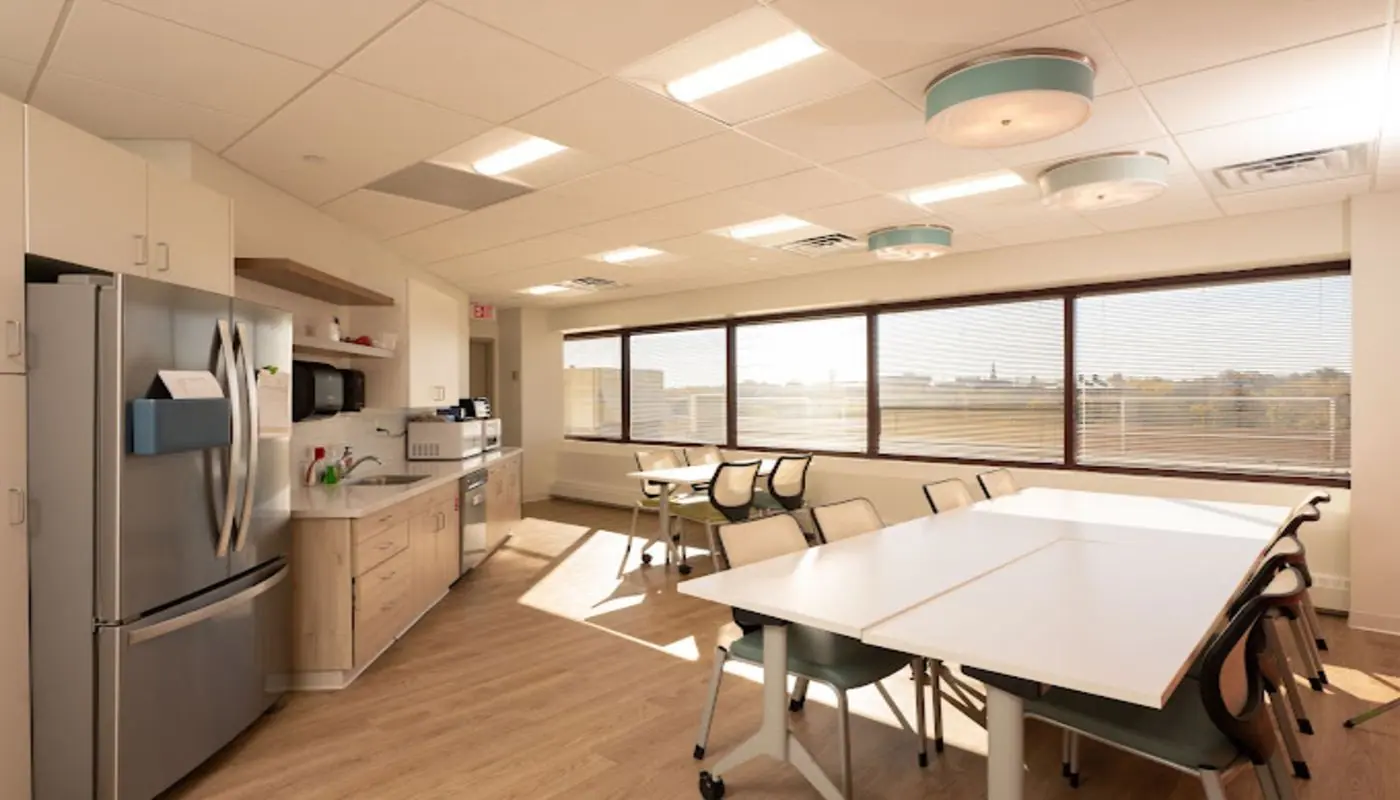
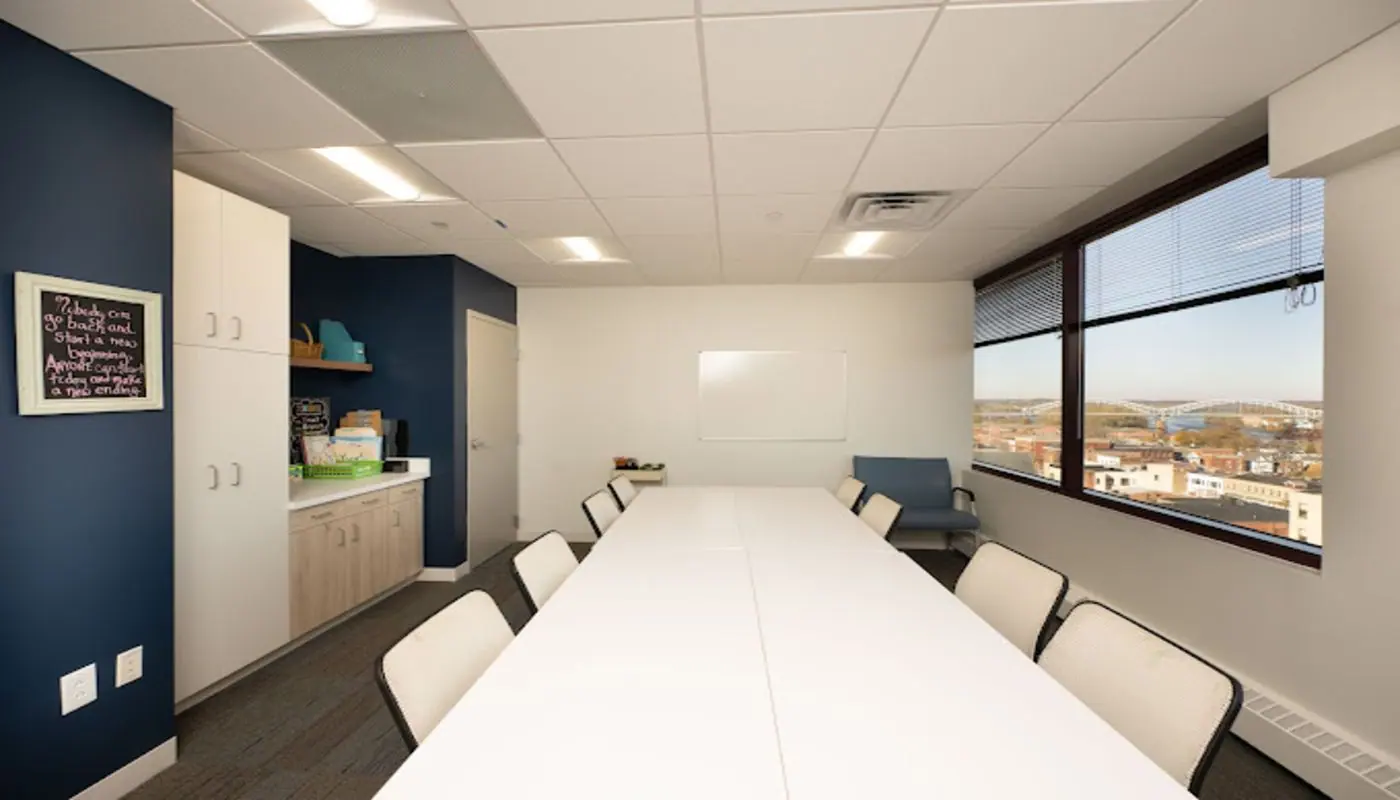
Walden Middletown is Monte Nido Walden's Middletown site, an outpatient program treating eating disorders together with mental health and substance use concerns. It opened in 2022 and carries Joint Commission accreditation, giving families an outside benchmark to check when weighing options. Because care is outpatient, people stay at home and come to sessions in the daytime or evening.
The clinical focus is broad. Anorexia, bulimia, binge eating disorder, and ARFID are addressed directly, and staff also work with trauma, anxiety, depression, and post-traumatic stress disorder. Substance use involving benzodiazepines, cocaine, heroin, methamphetamine, prescription drugs, and co-occurring conditions is part of the scope. Treatment is described as evidence-based and medical in approach, with family involvement built in.
Since it is an outpatient center and not a residential facility, it can serve adolescents and adults of all genders, LGBTQ+ clients included, who need structured support while staying at home. If you're unsure whether this level of care fits, a brief call can clarify which program suits your situation before any paperwork starts.
Programs for Walden Middletown
Outpatient care here centers on individual and group work. Therapy options include cognitive behavioral therapy, family therapy, art therapy, psychoeducation, motivational interviewing, trauma-specific therapy, and nutrition counseling, each chosen to fit the person's needs rather than applied uniformly to everyone. The listed program length is typically 30 days.
The center describes its work as holistic and medical together, with family involvement treated as part of treatment rather than an add-on. Walden Middletown offers Connecticut rehab care that pairs evidence-based therapy with nutrition counseling and family sessions. Adolescents, men, women, boys, girls, and LGBTQ+ clients are all listed among the people served, and services are delivered in English. If your eating disorder or substance use needs a higher level of care, then staff can explain whether this outpatient setting fits or whether another option should be considered. If a medication such as Suboxone is part of your current plan, ask how the center coordinates that with outpatient sessions, since it is not listed as a service here.
- Medical
- Cognitive Behavioral Therapy
- Holistic
- Motivational Interviewing and Enhancement Therapy (MET)
- Family Therapy
- Group Therapy
- Individual Treatment
- Family Involvement
- 1-on-1 Counseling
- Evidence-Based
Who fits this center in Middletown
- Adolescents, including boys and girls, alongside adults across all genders
- Individuals dealing with eating disorders like anorexia, bulimia, binge eating disorder, and ARFID
- People dealing with anxiety, depression, trauma, or post-traumatic stress disorder at the same time
- LGBTQ+ clients seeking affirming, trauma-informed outpatient care
- People with substance use involving benzodiazepines, cocaine, heroin, methamphetamine, prescription or synthetic drugs
- Families, especially parents of adolescents, who want an active role in treatment
Setting, size, and schedule
Care runs on a flexible day and evening schedule so people can keep up with work, school, or family duties while attending outpatient sessions. Program length is typically listed at 30 days, and the center includes a lounge and snacks for clients between sessions. Services are offered in English, and the setting is described as inclusive and affirming for LGBTQ+ clients. Families comparing drug rehabs and Connecticut treatment center options should note that this site is outpatient only. When housing or round-the-clock supervision is needed, then an outpatient addiction center like this one may not be the right fit, and it is worth asking for a referral.
Paying for care for Walden Middletown
Paying out of pocket is listed as one way to cover services, and the center may also work with insurance plans. Exact costs are not published here, so confirm fees and coverage directly with staff before you commit to anything. If you plan to use insurance for alcohol or dual diagnosis treatment, then call the center and ask which plans they accept and what your share would be. Medicaid participation is not confirmed in the listing, so ask specifically if you rely on Connecticut Medicaid. Whether a given plan covers eating disorder or outpatient addiction services depends on the policy itself.
Questions to ask before admission
- Which programs fit my situation, and is day treatment, intensive outpatient, or another option recommended?
- Will my insurance be accepted, and what amount will I owe once benefits are checked?
- What is the weekly attendance schedule, and can I go to sessions in the evening?
- In what way are families involved for teens, and what does that involve from week to week?
- What happens at discharge, and how do follow-up sessions online work?


Other centers in Middletown
-
Gilead Community Services Middletown
3.9/534 Google reviews
Middletown, CT · 30 days
Gilead Community Services Middletown runs an outpatient clinic on Main Street Extension.
- Outpatient
- Co-Occurring Mental Health
-
Connection Hallie House
Middletown, CT · 30 days
Connection Hallie House Middletown is a residential rehab center in Connecticut.
- Co-Occurring Mental Health
- Residential Rehab
-
PursueCare Connecticut
1.9/534 Google reviews
Middletown, CT · 30 days
PursueCare Connecticut Middletown provides outpatient addiction and mental health care.
- Joint Commission
- Outpatient
- Co-Occurring Mental Health
Help
Does Walden Middletown accept Medicaid or insurance?
Cash pay rates are confirmed, and insurance may be accepted, but Medicaid participation is not stated. With 156 SAMHSA-listed facilities in Connecticut, this center is worth a call about your plan. Ask which insurers they bill, whether Connecticut Medicaid is included, and what your share would be before an assessment. Verification by phone is the only way to know.
What therapies are offered for addiction and dual diagnosis?
Approaches listed include cognitive behavioral therapy, motivational interviewing, family therapy, group therapy, art therapy, psychoeducation, trauma-specific therapy, and nutrition counseling. Trauma and co-occurring conditions are named specializations. Because alcohol and benzodiazepine withdrawal can be dangerous, any withdrawal plan should be overseen by a medical team. Staff can say whether outpatient care is appropriate here or another level of care should come first.
How long does outpatient treatment last, and what comes after?
The listing shows a typical program duration of 30 days, with flexible day and evening scheduling. Aftercare includes continuing care, discharge planning, relapse prevention planning, and online follow-up sessions. If you need more structure than outpatient sessions provide, ask about referrals before admission so the transition is planned. This site does not treat or diagnose.
Is Walden Middletown affiliated with any hospital or rehab chain?
Walden Middletown belongs to Monte Nido Walden, which focuses on eating disorder treatment. It is not listed as part of a hospital system. For dual diagnosis or addiction, the center treats co-occurring conditions. If you need a hospital-based detox, then ask staff for a referral. The helpline can also connect you with other Connecticut providers.
What if I need inpatient or 24-hour care?
This center offers outpatient care only, so it does not provide 24-hour supervision or residential beds. If you need withdrawal management or round-the-clock care, then staff can explain referral options. The helpline can also check bed availability at other Connecticut facilities. This site offers information, not medical care; it connects callers with licensed providers.