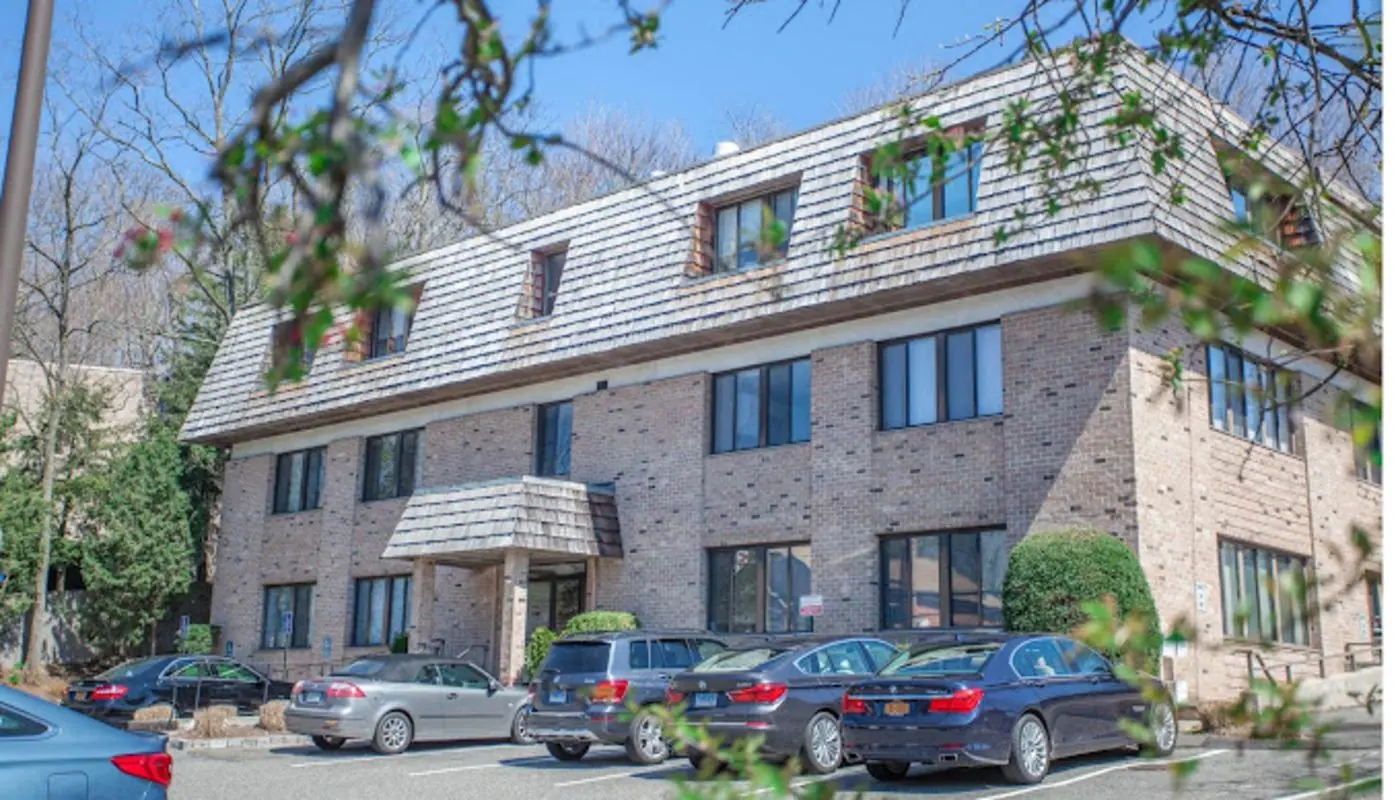
Center for Discovery Greenwich
Center for Discovery Greenwich is an outpatient program on Riversville Road. The center is one of 156 SAMHSA-listed facilities in Connecticut as of 2026. Care here centers on eating disorders, trauma, and co-occurring conditions.
- Joint Commission
- Outpatient
- 90 days
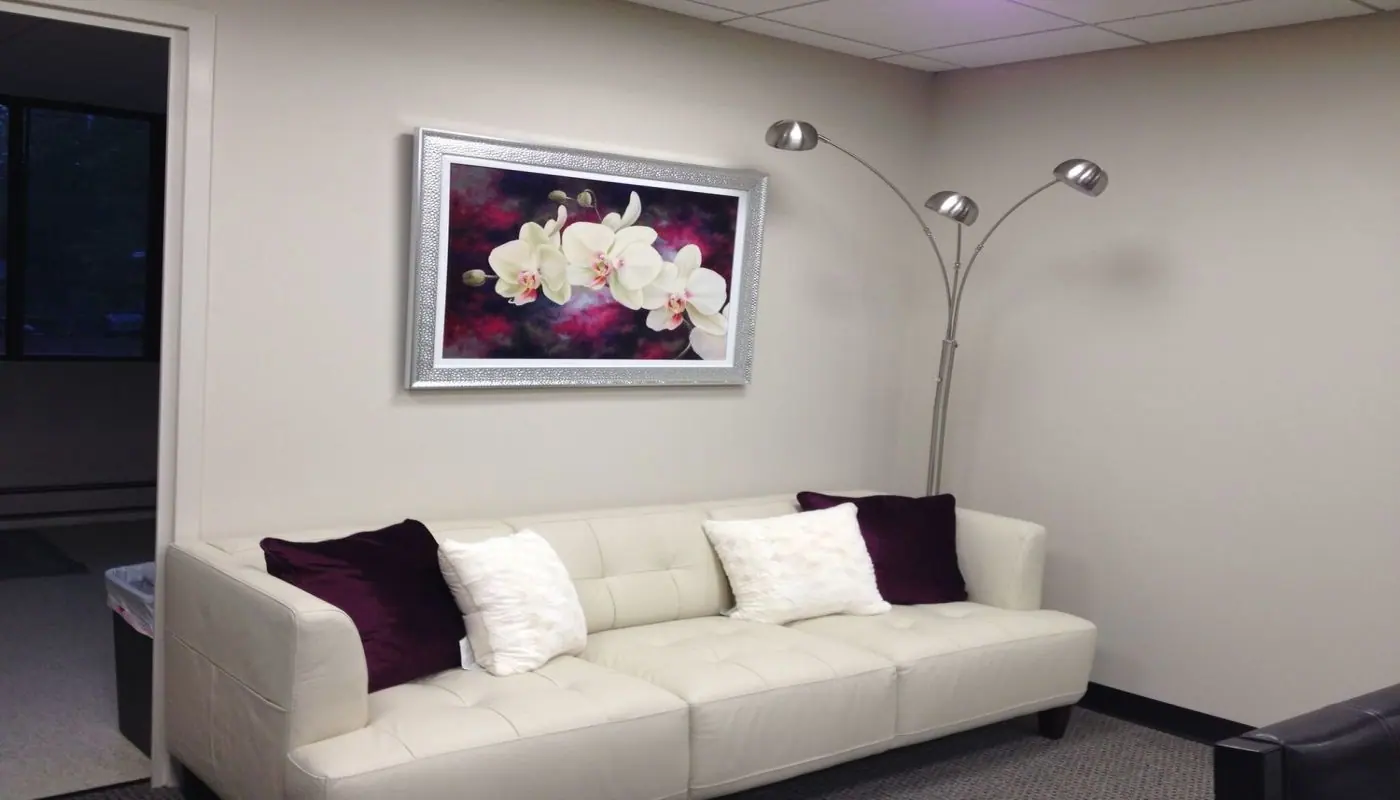
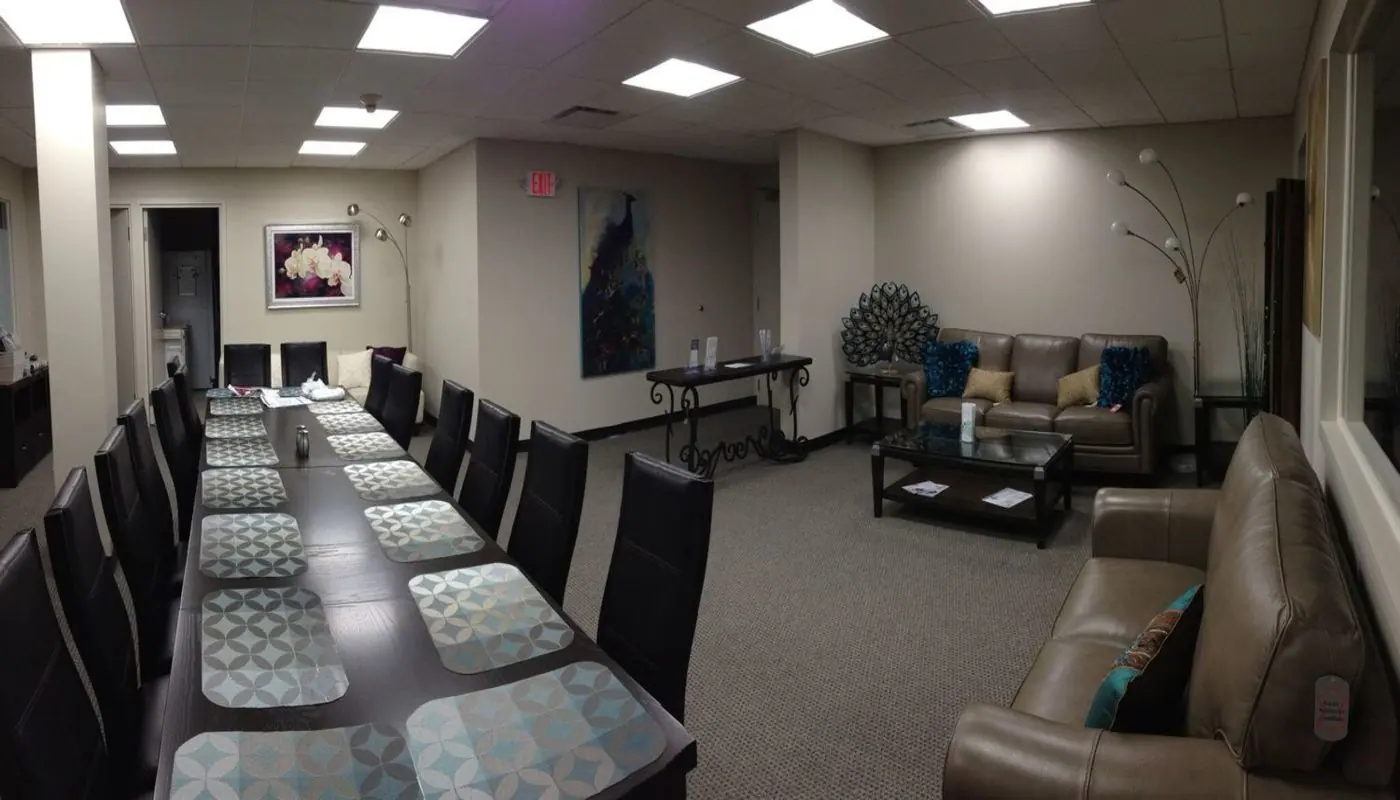
The Greenwich location began serving clients in 2014, caring for teens and adults who have eating disorders. Care is delivered through outpatient visits instead of residential stays, which means individuals come in for scheduled sessions and then go back to their own homes. Clinicians meet each person with awareness of trauma and acceptance of diverse body sizes and shapes, and the Health at Every Size framework informs how the program is run.
Sessions combine structured therapy with practical skill-building. Someone new to the program meets a peer mentor who helps with the adjustment, and families are brought into the conversation through family therapy. Nutrition counseling sits alongside the clinical work, because rebuilding physical health is part of the plan rather than an afterthought.
The center calls its approach evidence based and shaped for each person. The therapy mix gets decided following an assessment rather than picked from a fixed template. Outpatient eating disorder treatment in Greenwich CT may combine counseling, nutrition work, and trauma-focused therapy in a single plan.
Families comparing addiction and mental health treatment centers in Connecticut often start with a phone call. A short conversation about symptoms, age, and insurance helps narrow which level of care fits before anyone fills out paperwork.
Therapies and outpatient services
Care is delivered on an outpatient basis, with one-on-one counseling as the foundation and group therapy adding peer contact. Dialectical behavior therapy and EMDR are both offered at this Connecticut treatment center for trauma and eating disorders. DBT builds skills for managing intense emotion, while EMDR is used to process distressing memories that feed into symptoms.
Art therapy and yoga give people ways to work through feelings that are hard to put into words, and nutrition counseling addresses the eating behavior directly. Family therapy keeps the people at home informed and involved. A non 12 Step, evidence-based rehab program in Greenwich can combine several therapies in a single week. After discharge, an aftercare app and alumni gatherings keep former clients connected to the program.
- Individual Treatment
- Dialectical Behavior Therapy
- Yoga
- Trauma Informed
- Group Therapy
- Non 12 Step
- Art Therapy
- Evidence-Based
- Family Therapy
- 1-on-1 Counseling
Who this program is built for
- Adolescents who need structured eating disorder treatment while staying at home
- Adult men and women living with anorexia, bulimia, or related conditions
- People whose eating disorder overlaps with trauma or a co-occurring diagnosis
- Individuals who are medically stable enough for outpatient care rather than inpatient
- Families who want to take part in therapy and understand the treatment plan
Program length and setting in Greenwich
The typical course of care runs about 90 days, though the schedule is set individually. This Greenwich outpatient facility treats adolescents and adults in English through scheduled visits rather than overnight stays. Sessions happen at the Riversville Road office, and the program holds Joint Commission accreditation. Because it is outpatient, people keep living at home and can stay connected to school or work while attending.
Paying for treatment in Greenwich
Self-pay pricing is one option, and plenty of people use insurance too. Before you schedule an assessment, call the helpline to confirm which plans this Connecticut rehab takes. The advisors answering are not clinicians and don't determine coverage, but they can help you frame the right questions and check openings. Nothing is promised until the center itself verifies your benefits and confirms a spot.
Questions to ask before admission
- Does my insurance plan cover outpatient eating disorder treatment here, and what will I owe?
- How many days a week would sessions run for my situation, and for how long?
- Who provides the nutrition counseling, and how often does that person meet with clients?
- How does the program involve family members, and are sessions in person or virtual?
- What happens if my symptoms worsen and outpatient care is no longer enough?


Other centers in Greenwich
-

Liberation Programs Greenwich Youth
3.7/56 Google reviews
Greenwich, CT · 30 days
Liberation Programs Greenwich Youth & Family Resources is an outpatient center in Greenwich, Connecticut.
- Outpatient
- Co-Occurring Mental Health
-
 Open listing
Sala Psychology
5.0/57 Google reviews
Greenwich, CT · 30 day
Sala Psychology Greenwich is an outpatient therapy practice located at 406 E Putnam Ave, Greenwich, Connecticut.
-
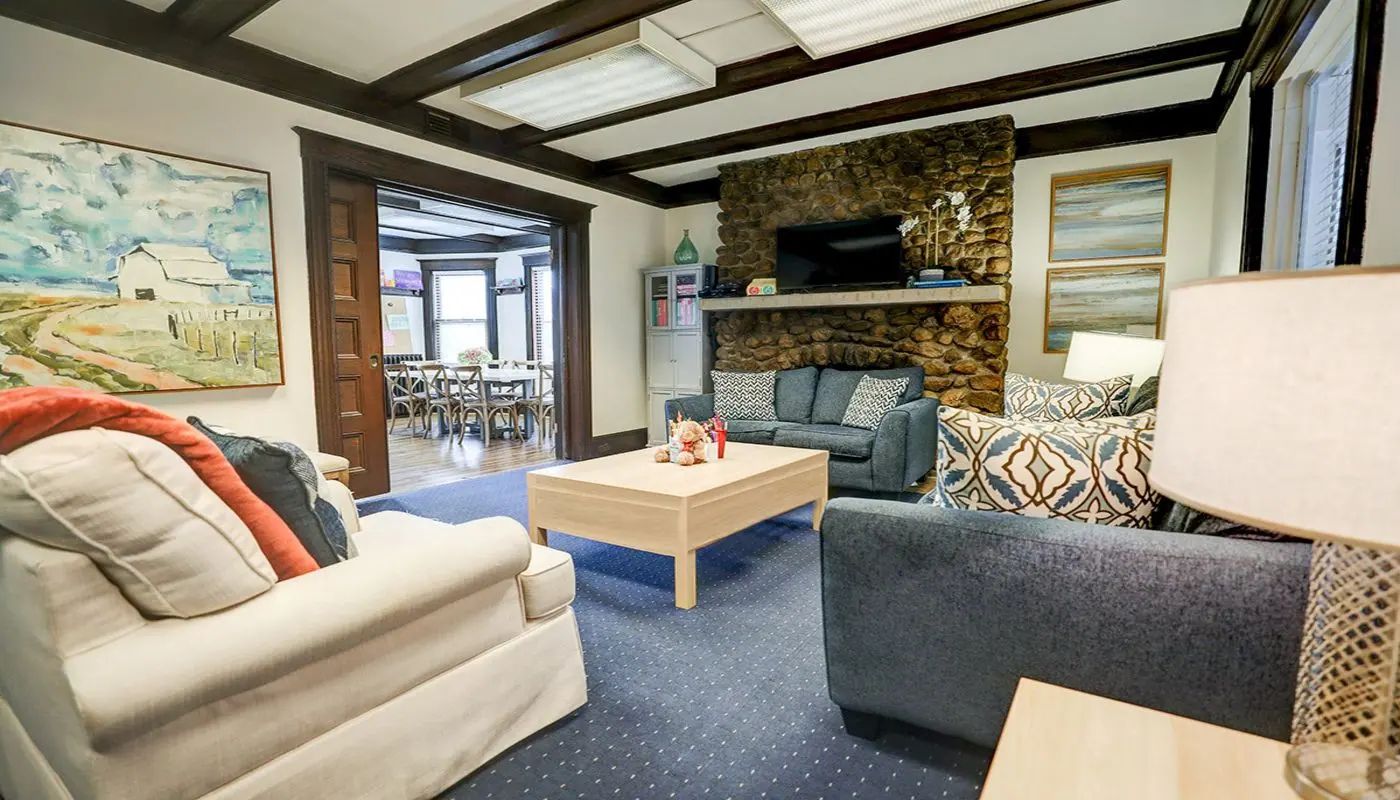
Backcountry Wellness Outpatient
4.5/545 Google reviews
Greenwich, CT · 90 days
Backcountry Wellness outpatient Greenwich serves adolescents and young adults in Connecticut.
- Joint Commission
- Outpatient
-

Backcountry Wellness Residential
4.5/545 Google reviews
Greenwich, CT · 90 days · 6-15 beds
Backcountry Wellness Residential Greenwich offers residential care for eating disorders and co-occurring conditions.
- Joint Commission
- Residential Rehab
Help
What does Center for Discovery Greenwich treat?
The program focuses on eating disorders, including care for people who also live with trauma or a co-occurring condition. Treatment is outpatient, so clients attend scheduled sessions and go home afterward. The clinical team uses evidence-based methods such as DBT, EMDR, and exposure and response prevention, along with nutrition counseling, art therapy, and yoga.
Is this an inpatient or outpatient rehab program in Connecticut?
The program is outpatient only. People visit the Riversville Road office for therapy and go home that same day. That suits someone whose health is medically stable and who has support where they live. When symptoms are severe enough to require care around the clock, a clinician can explain why a higher level of care, such as inpatient or residential treatment, would be safer.
How long does treatment usually last?
The typical program length is about 90 days, with the exact schedule set after an assessment. Some people attend several sessions a week, and the plan can change as symptoms improve. It helps to ask at the first call how many visits per week your situation would likely involve, so you can plan around school, work, and family.
How do I check coverage and availability?
Reach out to the helpline, which costs nothing, keeps things private, and places no obligation on you, and an advisor can assist you in reaching the center. The center checks your insurance and lets you know if a bed is open. Through trained advisors, the helpline links people with licensed providers; nobody is admitted and coverage is never promised. As a fallback, ask what the cash pay rates are.
Who is a good fit for this center?
The program works with teens and adults who have eating disorders, whose health is stable enough for outpatient care, and who have support where they live. Trauma and co-occurring conditions are addressed here too. If you aren't sure whether your situation fits, contact the helpline as well as an advisor can assist you weigh the choices.