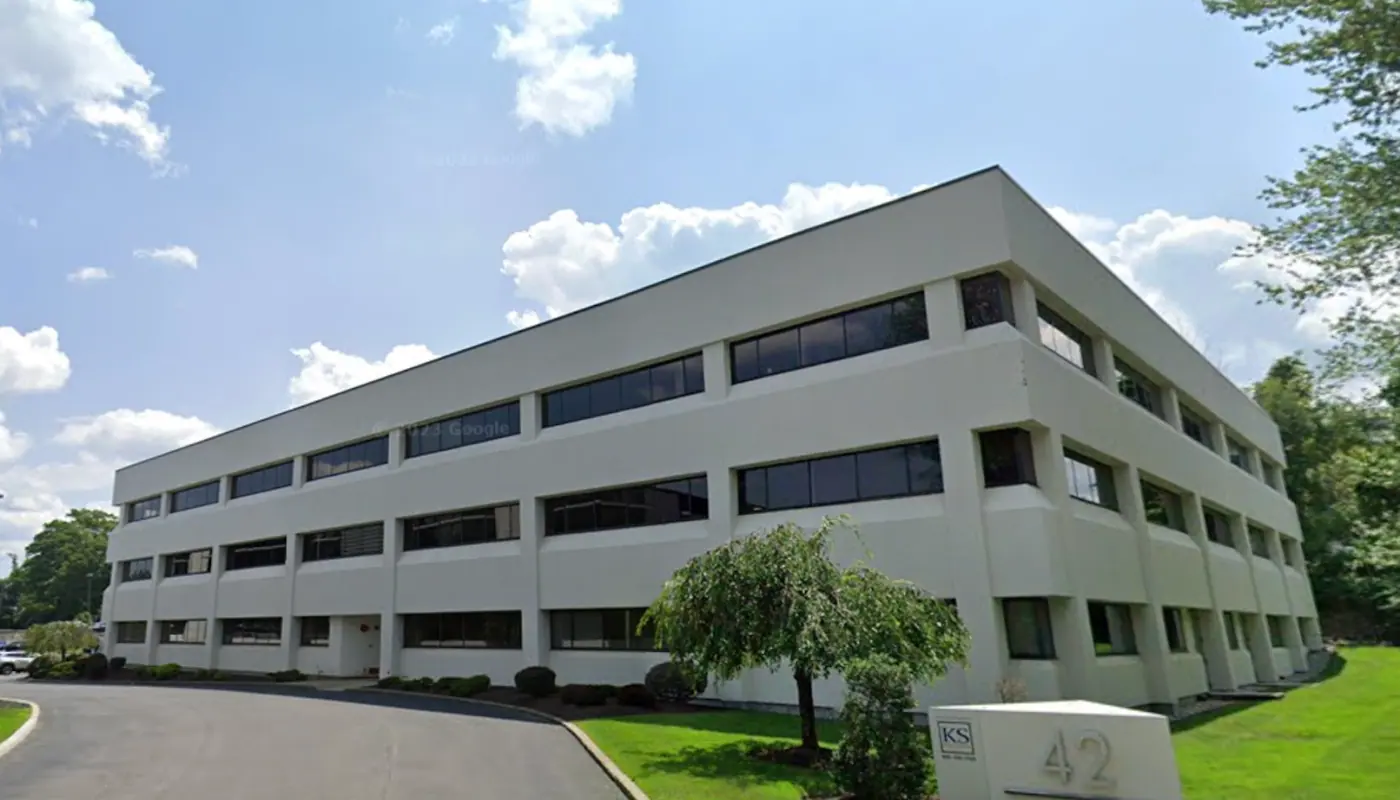
CCAR-Danbury Recovery Community Center Danbury
CCAR-Danbury Recovery Community Center Danbury is a peer-focused site at 42 Old Ridgebury Rd. One of 156 SAMHSA-listed facilities in Connecticut, it offers coaching and groups. This guide explains what to expect and how to check cost.
- Co-Occurring Mental Health
- 30 days
This is a nonprofit recovery community center, not a hospital ward, and that shapes everything about the experience. CCAR, the organization behind it, provides recovery-focused help, advocacy and education for people whose lives have been affected by substance use. At the Danbury location, the emphasis falls on building practical support around each person's own goals. For anyone comparing recovery options in Connecticut, peer coaching and community groups here carry much of the work rather than clinical treatment alone.
Peer support is the core offering, not an add-on. Participants can meet with a recovery coach, join support meetings, get help with employment, and take part in wellness activities that sit outside conventional clinical care. Staff take a person-centered stance, shaping support around each person's situation instead of running everyone through an identical schedule. When you call a Connecticut addiction treatment center, asking how peer services connect to clinical care matters because the two should reinforce each other, not operate separately.
CCAR-Danbury recovery community center
Care here focuses on co-occurring mental health support combined with life skills work and motivational interviewing, delivered through holistic, strengths-based, wellness-oriented and non-12-step approaches, with twelve-step options also available. A typical program length runs about 30 days, though the peer and community side often continues well past that window. If you need both substance use and mental health support, then asking how these services coordinate is a fair question, since the center lists co-occurring care as a core option.
Meetings include AA and NA groups as well as alternative support meetings for people who want a different format. Recovery coaching is available both in person and virtually, which helps anyone juggling work, family or a long drive to Danbury. For people looking for drug rehab centers in Connecticut with flexible scheduling, virtual coaching removes some of the geography barrier that makes weekly in-person attendance hard to sustain.
- Twelve Step
- Strengths-Based
- Non 12 Step
- Wellness
- Holistic
- Life Skills
- Motivational Interviewing
Who this Danbury program is built for
- Adults of any gender, with services organized for both men and women
- People who identify as LGBTQ+ and want a support setting that accounts for that
- Family members and loved ones affected by someone else's drinking or drug use
- People involved with the justice system who need community-based recovery support
- Anyone dealing with anxiety, depression or another co-occurring mental health condition
Setting, size and languages in Danbury
You will find the center on the third floor of 42 Old Ridgebury Rd in Danbury, Connecticut, and services are offered in English. A the usual program length is listed as 30 days. The community-center model means group meetings and coaching instead of an overnight medical unit, and recovery coaching can happen virtually, so location matters less here than it would at a residential program. If you are looking for alcohol rehab centers in Connecticut offering flexible peer support, this community-based format may suit you better than a live-in facility for people who need to keep working or caring for family.
Paying for services at CCAR-Danbury
CCAR operates as a nonprofit, and services such as peer coaching and support meetings at community centers are frequently low cost or free, though you should verify the current fees with the center itself before relying on anything. Insurance coverage for peer and community support of this kind differs a great deal, and nobody at the helpline can guarantee that a particular service will be covered. If you depend on Connecticut Medicaid, asking the center directly about accepted coverage is the only way to know before you make plans around it. Should a higher level of care prove to be the right fit, the helpline can also help you weigh clinical options among the 156 SAMHSA-listed facilities in the state.
Worth asking before you go in Danbury
- Which support meetings run on which days, and can I visit one before deciding?
- Is there a fee for recovery coaching, and does it change if I use the virtual option?
- Do you bill insurance or Connecticut Medicaid for any of these services?
- How does the co-occurring mental health piece work alongside peer coaching?
- Who can assist me in accessing a higher level of care, like inpatient treatment or detox, if I need it?

Other centers in Danbury
-
Apex Community Care
4.3/516 Google reviews
Danbury, CT · 30 days
Apex Community Care Danbury is a private, nonprofit facility located in Danbury, Connecticut.
- Outpatient
- Co-Occurring Mental Health
-
Connecticut Counseling Centers Danbury
3.3/524 Google reviews
Danbury, CT · 30 days
Connecticut Counseling Centers Danbury is an outpatient clinic on Beaver Brook Road.
- Detox
- Outpatient
- Co-Occurring Mental Health
-
McCall Behavioral Health Network
Danbury, CT · 30 days
McCall Behavioral Health Network Danbury is an outpatient clinic located on Shelter Rock Road.
- Outpatient
- Co-Occurring Mental Health

Help
What is CCAR-Danbury Recovery Community Center Danbury?
It is a nonprofit recovery community center in Danbury, Connecticut, at 42 Old Ridgebury Rd, and one of 156 SAMHSA-listed facilities in the state. It offers peer recovery coaching, support group meetings including AA, NA and alternative formats, employment help and wellness activities, with co-occurring mental health support and a listed program length of about 30 days. The center serves adults of any gender, LGBTQ+ individuals, loved ones and people involved with the justice system.
Does this center accept Medicaid or insurance?
The listing does not spell out payment details, so ask the center directly about Medicaid, private insurance and any sliding-scale fees before you plan around it. Peer and community services are frequently low cost at nonprofit centers, but that is not a promise. The helpline can also walk you through which of the 156 listed Connecticut facilities bill Medicaid for treatment, and whether a different level of care might fit your situation.
How long is rehab for alcohol usually?
A frequent program length of 30 days is listed by this center, a common starting window for structured support. At a community center, coaching and meetings frequently continue longer, and your own situation should govern how long you remain. When someone drinks heavily, a clinician should assess them beforehand, because alcohol withdrawal can become risky without medical oversight in place. The helpline can explain the licensed providers and levels of care, linking you to.
Can I get help if I also have anxiety or depression?
Yes. Co-occurring disorders appears among the options listed here, and the center describes plans treating substance use alongside conditions such as anxiety or depression. Ask how the clinical services link up with peer coaching. If benzodiazepines are involved, say so, because coming off those medications requires a clinician's oversight and not a plan you manage alone. The helpline can help you locate a provider equipped to handle both conditions.
What should I ask before choosing a center in Connecticut?
Ask about the weekly schedule, the cost of coaching, whether insurance and Medicaid are taken, and how co-occurring disorders connect with peer support. There are 156 SAMHSA-listed facilities in Connecticut, and weighing a few of them on these points helps you choose the one that fits your needs. If you cannot tell which level of care you need, the helpline can lay out the differences among community support, outpatient programs and inpatient treatment.